
Article: Spring Cleaning Your Dog's Sleep Space: A Guide to Hygiene and Comfort
Spring Cleaning Your Dog's Sleep Space: A Guide to Hygiene and Comfort
Spring's arrival brings that familiar urge to refresh our homes, and your dog's sleeping area deserves the same care as your own bedroom. A clean, well-maintained sleep space is not just about hygiene. It is about creating an environment where your dog can rest deeply, breathe easily, and wake up genuinely refreshed. Poor bed hygiene can contribute to skin irritations, respiratory issues, and restless nights. This guide will help you transform your dog's sleeping area into a pristine sanctuary that supports comfort and health throughout the warmer months ahead.
Deep Cleaning Techniques for Premium Dog Beds
Different materials require specific approaches to achieve thorough cleanliness without damaging quality. Fabric-covered beds benefit from regular vacuuming to remove embedded hair and debris before washing. Always check manufacturer guidelines first, but most removable covers handle machine washing at 30 to 40 degrees with enzyme-based detergents that break down organic matter effectively.
Memory foam and orthopaedic inserts need gentler treatment. Spot clean stains immediately with a mixture of white vinegar and water, then allow complete air drying. Never soak foam cores, as retained moisture creates ideal conditions for mould and bacteria. For wooden or composite frames, use appropriate cleaners that will not damage the finish.
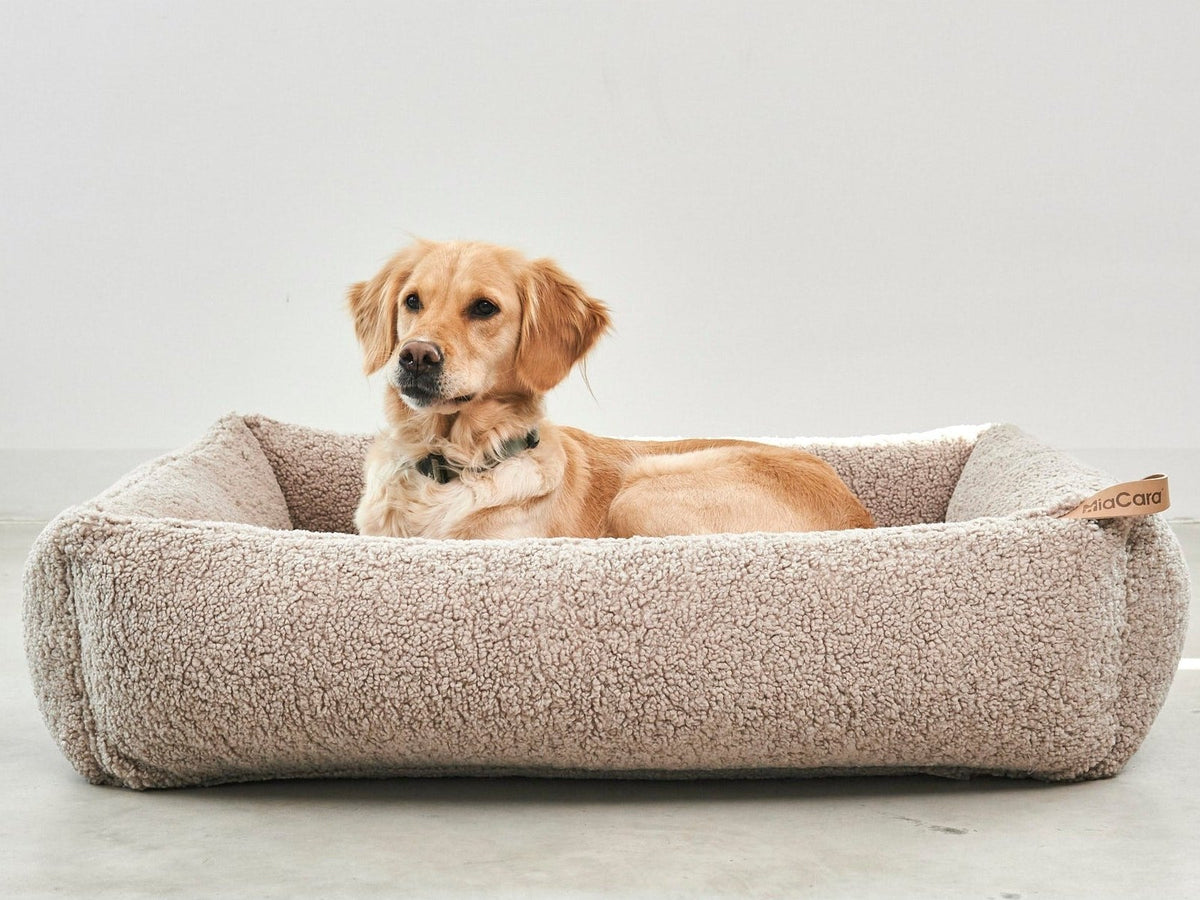
The MiaCara Barca Dog Bed is designed with easy maintenance in mind. Its removable, washable covers combined with supportive foam make deep cleaning straightforward whilst preserving the bed's structural integrity season after season. For households with more than one dog, the MiaCara Mare Dog Bed is equally practical. Its interchangeable cover system means you can rotate between washes, keeping fresh bedding on hand without any gap in comfort.
Dealing with Stubborn Odours and Stains
For protein-based stains like urine or vomit, create a paste using bicarbonate of soda and water. Apply it generously, leave for several hours, then vacuum thoroughly. White vinegar neutralises alkaline odours whilst remaining gentle on most fabrics. Enzymatic cleaners go further by breaking down the molecules that cause lingering smells rather than masking them. Steam cleaning provides deep sanitisation for beds that cannot be machine washed, though complete drying afterwards is essential.
Allergen Management and Air Quality
Your dog's sleeping area can harbour allergens that affect both pets and family members. Dust mites thrive in warm, humid conditions, feeding on dead skin cells that accumulate in bedding. Regular washing above 60 degrees eliminates these pests, though always verify your bed's care instructions first.
Pollen becomes particularly problematic during spring. Dogs carry outdoor allergens on their coats and transfer them directly to sleeping surfaces. Weekly vacuuming with HEPA filtration captures these particles before they become airborne. Placing washable mats near the bed also helps reduce what reaches it from paws and fur. Brushing your dog before bedtime makes a noticeable difference, as does positioning an air purifier nearby for continuous filtration.
Humidity Control and Ventilation
Proper airflow prevents moisture buildup that encourages bacterial growth. Position beds away from damp areas such as basements or poorly ventilated rooms. Dehumidifiers help maintain optimal humidity between 40 and 50 per cent. Rotating between multiple cover sets allows thorough air drying without leaving your dog without a comfortable sleeping option during wash cycles.
Recognising Age-Related Sleep Requirements
Ageing dogs often develop joint issues that standard bedding cannot adequately address. Watch for subtle behavioural changes such as difficulty rising after sleep, reluctance to use favourite resting spots, or shifting positions frequently during rest. Large breeds including German Shepherds, Labradors and Golden Retrievers commonly develop hip dysplasia and need firmer surfaces that maintain proper spinal alignment. Memory foam responds to body temperature, softening slightly to reduce pressure points whilst providing consistent support.
Senior dogs often prefer beds positioned slightly higher off the ground to ease the effort of getting up and down. The height should remain accessible, and a small ramp can help if needed. The MiaCara Mondo Dog Bed suits this stage of life well. Its frame sits at a considered height and the generous, supportive cushion makes it a natural choice for dogs that need a little extra care.
Young, active dogs need beds that hold up to energetic use. Look for reinforced construction and durable materials that cope with frequent washing without showing early wear.
Seasonal Material Selection and Temperature Comfort
Spring cleaning is a good opportunity to assess whether your dog's current bed still suits their needs. Natural fibres like cotton and wool regulate temperature well, wicking moisture away from your dog's body and remaining breathable as the weather warms. Synthetic materials can trap heat and cause discomfort as temperatures rise.
Your dog's coat type and natural preferences are worth factoring in. Double-coated breeds tend to favour cooler sleeping surfaces year-round, whilst thin-coated breeds may still appreciate some warmth on milder nights. Watch where your dog gravitates to rest and let that guide your material choices.
What Marks a Quality Bed
Odour-resistant and antimicrobial fabrics reduce the frequency of deep cleaning required, which is particularly useful for dogs prone to skin conditions or those spending time outdoors regularly. Look for removable, washable covers that handle repeated cycles without fading or shrinking, double-stitched seams, waterproof liners, and foam cores that hold their shape over time rather than compressing within a season.
Creating the Right Sleep Environment
Beyond the bed itself, placement and surroundings shape how well your dog sleeps. Choose a spot away from heating vents and cold draughts. Dogs sleep better with a consistent ambient temperature rather than being exposed to fluctuations through the night. Noise is worth considering too. Dogs hear far more than we do, so a corner that feels quiet to you may be genuinely disruptive to them. A position that keeps your dog connected to household activity without constant disturbance tends to work well.
Natural light is welcome, but avoid spots where direct sunlight creates heat pockets during the day. Harsh artificial lighting at eye level can also make it harder for a dog to fully settle. Soft, indirect light suits a sleep space far better.
Multi-Dog Households
Dogs living together have more complex sleeping dynamics than is often assumed. Some are happy to share; others need their own space to feel fully settled. Providing each dog with its own bed, rather than expecting them to share, prevents low-level tension and means every pet has access to proper support and cleanliness.
Professional Maintenance and Long-Term Care
Some luxury beds benefit from professional cleaning using specialist equipment. Industrial steam cleaning and extraction can remove deep-seated dirt and allergens that domestic methods cannot reach, and many services offer protective treatments that extend the life of premium materials.
A well-maintained sleep space makes a real difference to your dog's physical health and general wellbeing. Getting the cleaning routine right, choosing appropriate materials, and finding a good spot in the home is not just seasonal housekeeping. It is the foundation of your dog's comfort throughout the year.
Discover the full MiaCara collection and brand story at Deluxe Pet Co →
Refreshing the bed itself? Explore our luxury designer dog beds, with machine-washable covers made to be re-covered rather than replaced.
Related guides
- Washable dog beds: what comes off and what goes in the machine, bed by bed.
- Dog bed materials guide: memory foam, orthopaedic foam and gel-infused constructions compared.
- Dog bed shapes guide: which shape suits a curler, leaner, sprawler or nester.
- Luxury dog living: our guide to designing a home around a dog.