Article: Senior Dog Comfort: Designing Age-Friendly Sleep Spaces
Senior Dog Comfort: Designing Age-Friendly Sleep Spaces
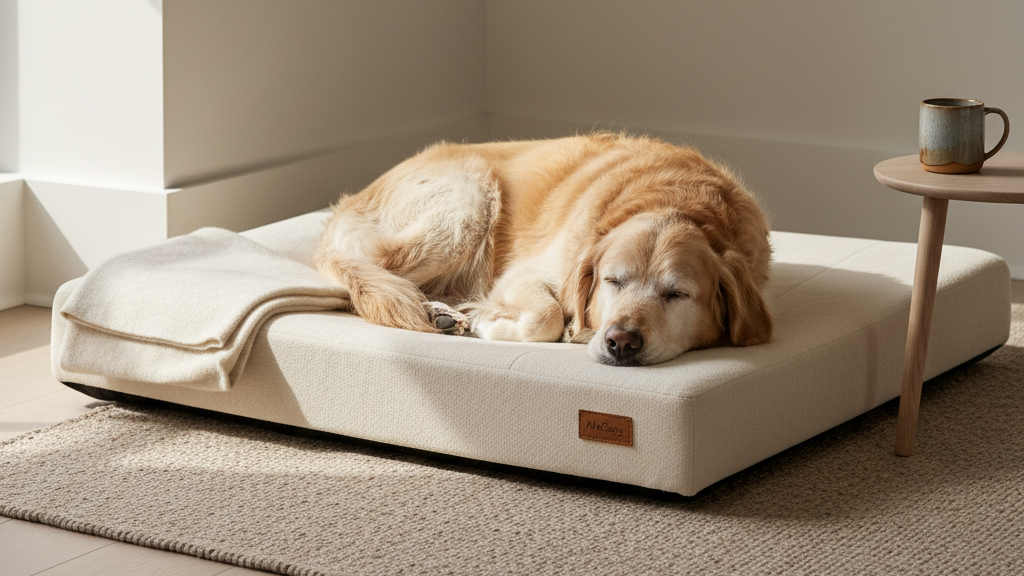
What makes the best bed for a senior dog? The short answer is orthopedic support: a high-density or memory foam core that relieves pressure on arthritic joints, keeps the spine aligned, and does not sink so far that an older dog struggles to rise. Around that core, an age-friendly sleep space needs the right placement, an accessible entry height, warmth, and easy-clean covers. Your companion's needs evolve as they age, and thoughtful adjustments to where and how they rest can be the difference between a dog that struggles daily and one that continues to thrive.
Senior dogs face unique challenges including joint stiffness, reduced mobility and changing sleep patterns that can significantly affect their quality of life. Creating a supportive sleep space is not merely about comfort; it is about maintaining their independence and wellbeing throughout their golden years. Understanding how to adapt your home environment helps your dog continue to thrive despite the natural ageing process.
Recognising When Your Dog Needs Orthopedic Support
Most dogs begin showing signs of joint stiffness between seven and ten years of age, though larger breeds may experience these changes earlier. You will often notice comfort issues through their daily routines rather than obvious limping or distress. Watch for subtle behavioural shifts: reluctance to climb stairs, slower movement after rest periods, a preference for softer surfaces over hard floors, or a hunched sleeping posture. Many older dogs circle more before settling down or change sleeping locations frequently throughout the night as they struggle to find a comfortable position.
Temperature sensitivity increases with age too. Your dog may seek warmer spots during colder months or prefer cooler areas when the weather is mild, as their joints become more sensitive to temperature fluctuations. Early intervention makes a significant difference. You do not need to wait for obvious signs of discomfort before investing in proper support: many vets recommend transitioning to orthopedic bedding as a preventative measure once dogs reach their golden years.
Understanding Age-Related Sleep Changes
Senior dogs experience profound shifts in their sleep patterns and physical needs. Unlike younger dogs who can sleep soundly on almost any surface, older companions often develop conditions such as arthritis, hip dysplasia and muscle weakness that make comfortable positioning challenging. They may sleep for longer periods but experience more fragmented rest due to discomfort or the need for frequent position changes.
Cognitive changes also affect sleep quality. Some senior dogs develop canine cognitive dysfunction, leading to confusion during night hours or anxiety about their sleeping environment. Others become more sensitive to household noises or changes in routine. Recognising these behavioural shifts helps you create a sleep space that addresses both physical discomfort and emotional security. Temperature regulation becomes harder as well: metabolism slows, circulation may decrease, and many dogs develop a preference for warmer sleeping spots, although overheating can be equally problematic for dogs with breathing difficulties or those on certain medications.
Essential Features of Orthopedic Support
The foundation of any senior dog's comfort lies in proper support during rest and recovery. Memory foam remains the gold standard for orthopedic support, providing crucial pressure-point relief by distributing your dog's weight evenly to reduce stress on arthritic joints. Quality varies dramatically between products, though. Look for high-density foam cores that retain their supportive properties and will not develop permanent indentations that compromise joint support over time.
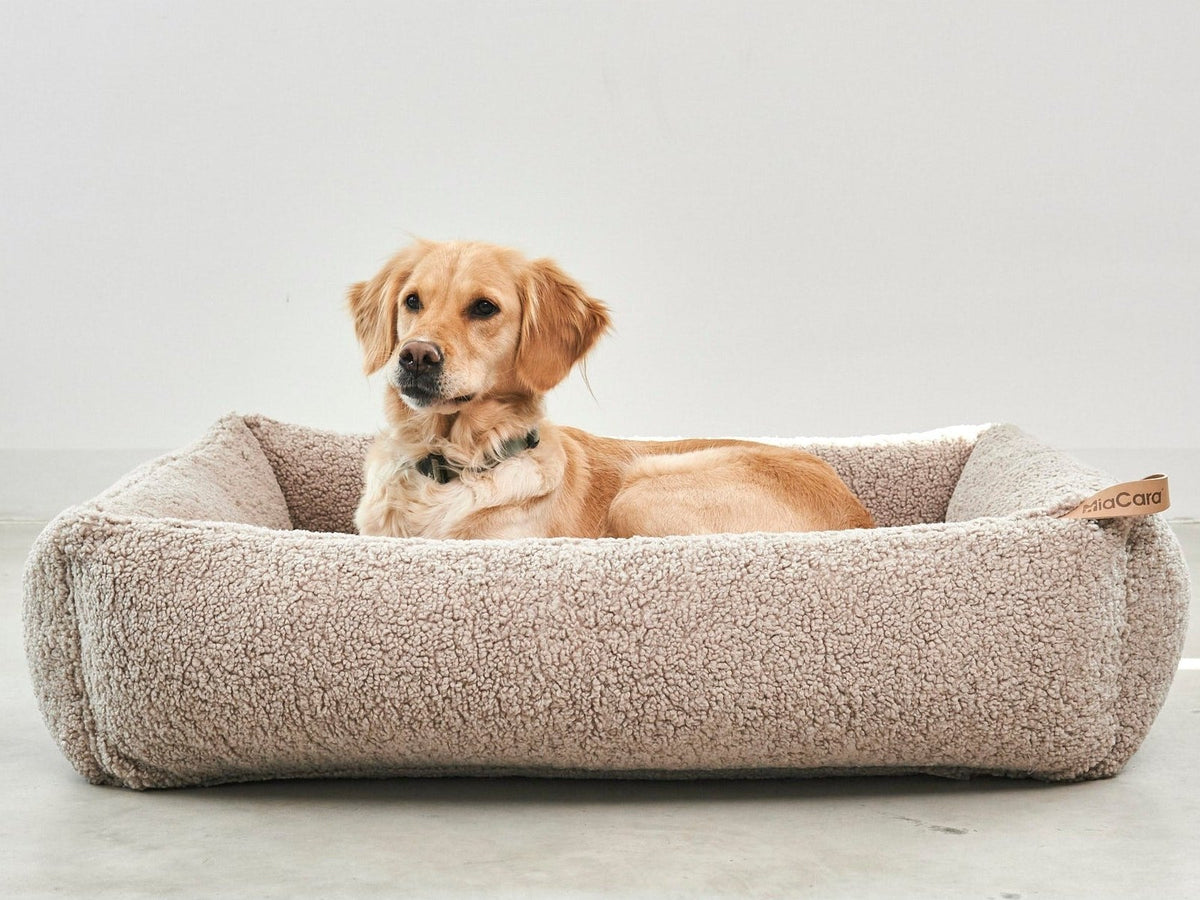
The Barca Dog Bed exemplifies these principles with carefully engineered foam layers. The outer memory foam contours to your dog's body shape, whilst the firm base provides essential spinal alignment and prevents the sinking sensation that can make it difficult for older dogs to rise after resting. Its moderate profile also suits dogs who struggle with very low beds while remaining accessible for those with jumping difficulties, and the sturdy construction stays stable as your dog moves on and off, giving them confidence during transitions. The Mare Dog Bed is another thoughtfully designed option for ageing dogs, filled with high-resilience recycled foam over a supportive base, with a removable cover in SEAQUAL yarn spun from recovered ocean plastic. Browse the full designer dog beds collection for orthopedic and bolstered designs suited to ageing joints.
Beyond foam quality, consider beds with raised edges or bolsters. These provide additional support for dogs who prefer to lean whilst sleeping and can help alleviate pressure on joints. The subtle elevation also creates a sense of security that many senior dogs find comforting as their confidence decreases with age. Observe your own dog's habits: some prefer to circle before lying down and need adequate space for the ritual, while others benefit from raised edges to lean against when rising.
Supporting Dogs with Arthritis and Mobility Challenges
Arthritis causes inflammation in joints that leads to stiffness and discomfort. An effective bed addresses these challenges through pressure relief, sensible height and warmth retention. Heat therapy benefits arthritic joints naturally: quality orthopedic beds retain and reflect body heat back to your dog, providing gentle warmth that helps maintain joint flexibility and reduces the morning stiffness common in arthritic conditions. This natural temperature regulation tends to be more consistent than external heating sources.
Entry height becomes vital for dogs with mobility limitations. Beds that sit too high off the ground create unnecessary strain on joints, while those that are too low can make getting up more challenging. The optimal height lets your dog step onto the bed without jumping while providing enough elevation for easy rising. Where a gentle heat source is used during colder months, safety remains paramount: automatic shut-offs and chew-resistant components are essential for any electrical element. Positioning beds away from draughty areas whilst ensuring adequate air circulation creates optimal conditions, and because some senior dogs prefer cooler surfaces while others seek warmth for stiff joints, having more than one option lets your dog self-regulate across the day and the seasons.
If an edge to step over is a concern, the MiaCara Mare Cushion is built differently from a boxed bed: it is a cushion rather than a frame, with a pre-formed hollow shaped into its recycled foam filling and a raised outer edge that doubles as a headrest. It is worth comparing the photographs and the exact height figures on each product page before deciding, since the profile varies between our cushion styles and our box beds.
Premium Materials for Long-Term Durability
Investing in quality materials pays dividends over your senior dog's lifetime. Waterproof liners beneath removable covers protect the foam core from accidents whilst maintaining hygiene, and breathable cover fabrics help regulate temperature. The construction quality of a premium bed ensures it keeps its supportive properties through years of daily use, avoiding frequent replacements that might disrupt an established routine.
Antimicrobial treatments in bed fabrics help control odours and bacteria, which can accumulate more quickly with senior dogs. Some older dogs develop skin sensitivities that make hygiene particularly important, so hypoallergenic, water-resistant materials reduce the risk of reactions whilst keeping cleaning straightforward, which matters for elderly dogs who may experience occasional incontinence.
Getting the Size Right
An older dog is often a fully grown one, so there is rarely any guesswork about the size needed, only about making sure you do not undersize a bed your dog has quietly grown into. The MiaCara Mondo runs across five sizes, S through L, with a size table on its own product page that runs from small breeds such as the Maltese and Chihuahua at S up to the Labrador, German Shepherd and Bernese Mountain Dog at L, so there is genuine room to size up if your dog is on the larger side. As a rule, a dog should be able to lie fully stretched out on a bed without their legs or head hanging over an edge; if you are unsure, measure your dog lying flat and check that figure against the length column on the size table, as our dog bed size guide explains.
Strategic Placement and Home Environment
Location matters enormously for senior dogs who may struggle with mobility. Position beds away from high-traffic areas where your dog might feel obligated to move frequently, yet close enough to family activities to prevent isolation. Ground-level placement eliminates jumping, which can exacerbate joint pain and create reluctance to use the space. Ageing dogs often prefer quieter, draught-free locations, so avoid placing beds directly in front of heating vents or in rooms with significant temperature swings.
Multiple sleeping stations throughout your home reduce the distance your dog must travel to find comfortable rest. Consider a supportive bed in your main living area for daytime rest and another in your bedroom if your dog sleeps near you, or smaller orthopedic mats in rooms where you spend significant time. This provides backup options if your dog develops preferences for different locations based on daily comfort levels.
Lighting is easy to overlook. Older dogs may develop vision changes that make dimly lit areas less appealing or even anxiety-inducing, so position beds where natural light gives gentle illumination during the day and consider night lighting to help a disoriented dog find their space in the evening. Flooring underneath the bed matters too: hard floors can cause beds to slide during entry or exit, creating instability that discourages use. Non-slip rugs or mats provide secure footing, additional insulation from cold surfaces, and reduce the fear of falling that can develop with age. Keep pathways to beds clear of obstacles that might be difficult to navigate in low light.
Innovative Design Solutions for Senior Needs
Modern orthopedic beds incorporate design elements that specifically address senior challenges. The raised edges found in many premium designs do not just provide comfort; they offer crucial support for dogs experiencing muscle weakness or balance issues, letting your dog lean securely whilst settling or rising. Consider the mechanics of getting in and out of bed: some senior dogs benefit from graduated edges that ease access, whilst others need a completely flat surface to avoid any stepping motion. Observe your dog's movement and note any hesitation with their current arrangement.
For dogs with severe mobility restrictions, pressure-relieving materials become even more critical. Extended periods in one position can lead to pressure sores or increased stiffness, so a high-quality orthopedic bed that distributes weight effectively reduces these risks whilst supporting restorative sleep.
Creating Multi-Functional Comfort Zones
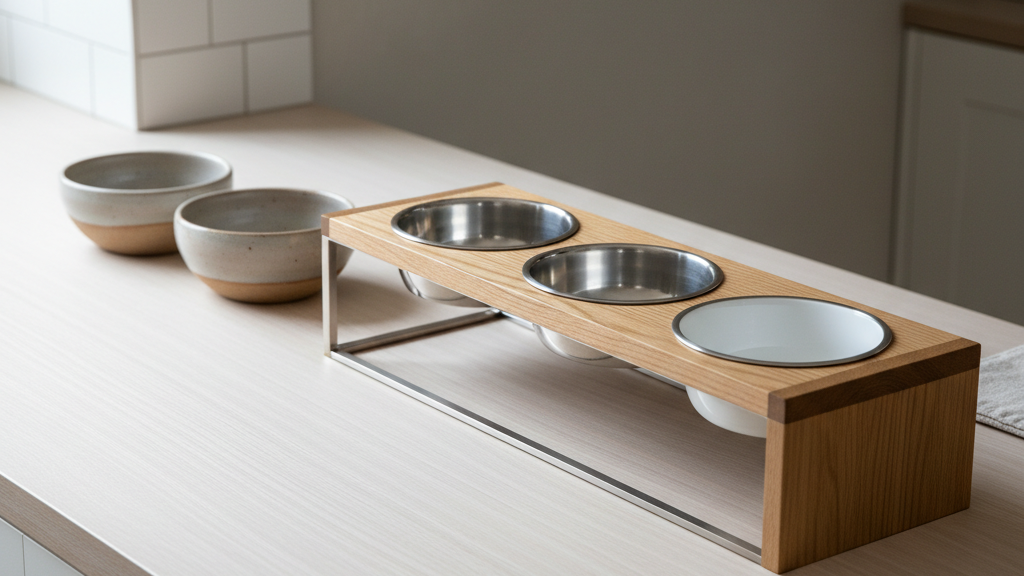
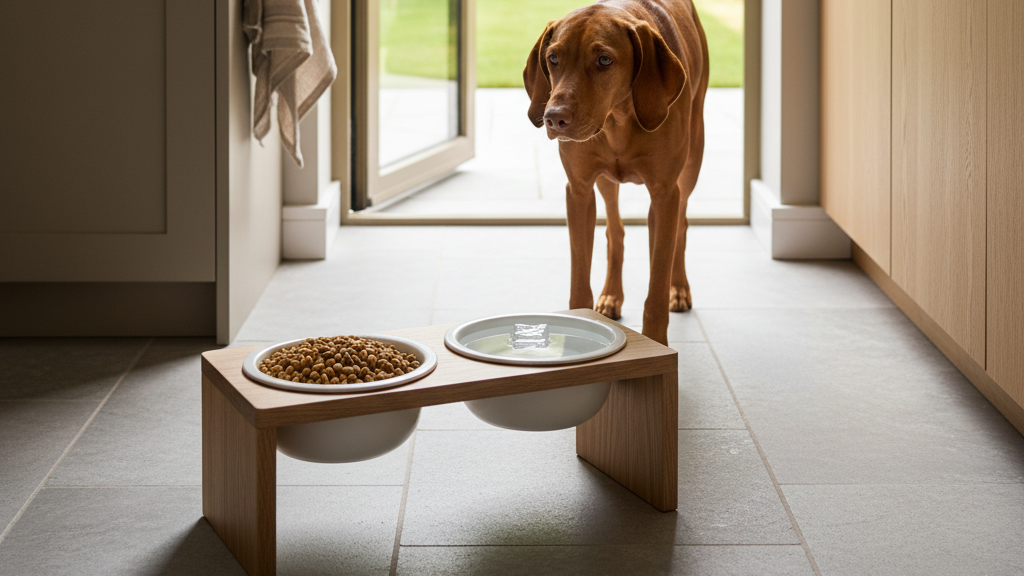
Senior dogs benefit enormously from sleeping areas that serve multiple functions. Integrating essential resources near rest areas reduces unnecessary movement for dogs with limited mobility. Positioning water bowls within easy reach encourages regular hydration without requiring trips across the house, supporting kidney health that becomes increasingly important with age. This clustering of resources creates senior-friendly zones that support independent living whilst maintaining dignity, so your dog can access what they need without struggling or depending entirely on assistance.
Making the Transition Successful
Elderly dogs often resist changes to their established routines, so bed transitions require patience and strategy. Start by placing the new orthopedic bed near their current favourite sleeping spot rather than immediately removing the old bed. This gradual approach respects their need for familiar surroundings while introducing the new option. Familiar scents help: place a favourite blanket or toy on the new bed, or gently rub it with a cloth that carries their scent. Treats on the new surface create positive associations.
Temperature can influence acceptance too. During colder months you might place the bed near a gentle heat source initially, then gradually move it to its permanent location; in warmer weather, keep it out of spots that retain heat. Do not expect immediate adoption, as many elderly dogs need several days or even weeks to fully embrace a new arrangement. Monitor your dog's response: some need encouragement through gentle praise, while others prefer to investigate without attention. Respect their pace and avoid forcing interactions that might create negative associations.
Maintenance, Hygiene and Long-Term Care
Senior dogs may need more frequent bedding changes due to medications or health conditions, so washable covers and waterproof barriers become essential features rather than conveniences. Choose materials that withstand regular washing without losing their supportive properties, and keep backup covers so the bed stays in continuous use during cleaning. Rotate the bed periodically to prevent uneven wear, and follow manufacturer guidelines for cleaning the foam core. Most quality orthopedic beds maintain their support for several years with proper care.
A removable, washable cover was the feature we prioritised consistently when choosing which beds to stock, and every bed in our dog beds collection has one. That matters more, not less, as a dog gets older: covers get used for longer, and being able to wash one properly rather than spot-clean it is worth having from day one.
Regular assessment of your dog's evolving needs lets you adjust their environment proactively. What works at eight years old may need modification by twelve, and staying attentive to these changes demonstrates the depth of care your senior companion deserves. Quality furniture can often be supplemented rather than completely replaced, making it a sound long-term investment. Many owners notice improvements in their dog's willingness to exercise, better sleep quality and reduced morning stiffness within weeks of transitioning to appropriate bedding.
Frequently Asked Questions
What is the best type of bed for a senior dog?
An orthopedic bed with a high-density or memory foam core is the best choice for most senior dogs. It relieves pressure on arthritic joints, keeps the spine aligned, and has a firm enough base that your dog does not sink and struggle to rise. Raised edges or bolsters add support for dogs who like to lean, and washable, waterproof covers keep it hygienic.
At what age does a dog need an orthopedic bed?
Most dogs begin showing signs of joint stiffness between seven and ten years of age, with larger breeds often earlier. You do not need to wait for obvious discomfort: many vets recommend switching to orthopedic bedding as a preventative measure once a dog reaches their senior years. Watch for reluctance to climb stairs, slower movement after resting, and more circling before settling.
How high should a senior dog's bed be?
Aim for an entry height that lets your dog step onto the bed without jumping, while still being high enough to make rising easy. Beds that sit too high strain the joints, and beds that are too low can make getting up harder. Place a non-slip mat or rug underneath so the bed does not slide during entry or exit. As a reference point, the Barca stands 22 cm tall in the smaller size and 24 cm in the larger, a height most medium and large dogs can step onto without jumping.
How do I get my senior dog to use a new bed?
Introduce it gradually. Place the new bed next to their current favourite spot rather than removing the old one, add a familiar blanket or toy, and use treats and gentle praise to build positive associations. Many older dogs take several days or weeks to fully settle, so let them investigate at their own pace.
Creating an age-friendly sleep environment combines practical considerations with genuine understanding of your dog's changing needs. The investment in proper orthopedic support and thoughtful environmental design pays dividends in improved mobility, better sleep and enhanced overall wellbeing. With the right foundation for comfort and rest, your dog's golden years can remain truly golden.
Related reading
- Part of our luxury dog living guide.
- Dog food bowl height: the science behind elevated feeding
- Dog feeder materials: ceramic vs metal vs wood compared
Related guides
- Dog bed size guide: how to measure your dog and size from that rather than from weight.
- Dog bed materials guide: memory foam, orthopaedic foam and gel-infused constructions compared.
- Dog bed shapes guide: which shape suits a curler, leaner, sprawler or nester.