
Article: Creating a Dedicated Pet Zone: Interior Design That Works
Creating a Dedicated Pet Zone: Interior Design That Works
Your home should work for every family member, including the four-legged ones. Concentrating pet accessories in one thoughtfully designed area brings organisation and style together, reducing clutter whilst ensuring your interiors maintain their appeal. This approach moves beyond scattered bowls and beds throughout your space, instead creating a cohesive zone that complements your existing décor. Success lies in selecting harmonious materials, establishing clear boundaries, and choosing pieces that enhance rather than compete with your interior scheme.
Establishing Your Pet Zone Boundaries
Location determines everything about your pet zone's success. Dogs often prefer areas with good sightlines to family activities, whilst cats appreciate quieter corners with easy escape routes. Kitchen edges work well for feeding stations, but living room alcoves or hallway recesses can accommodate sleeping areas effectively. The key is observing your pet's natural preferences and working with your household's daily rhythms.
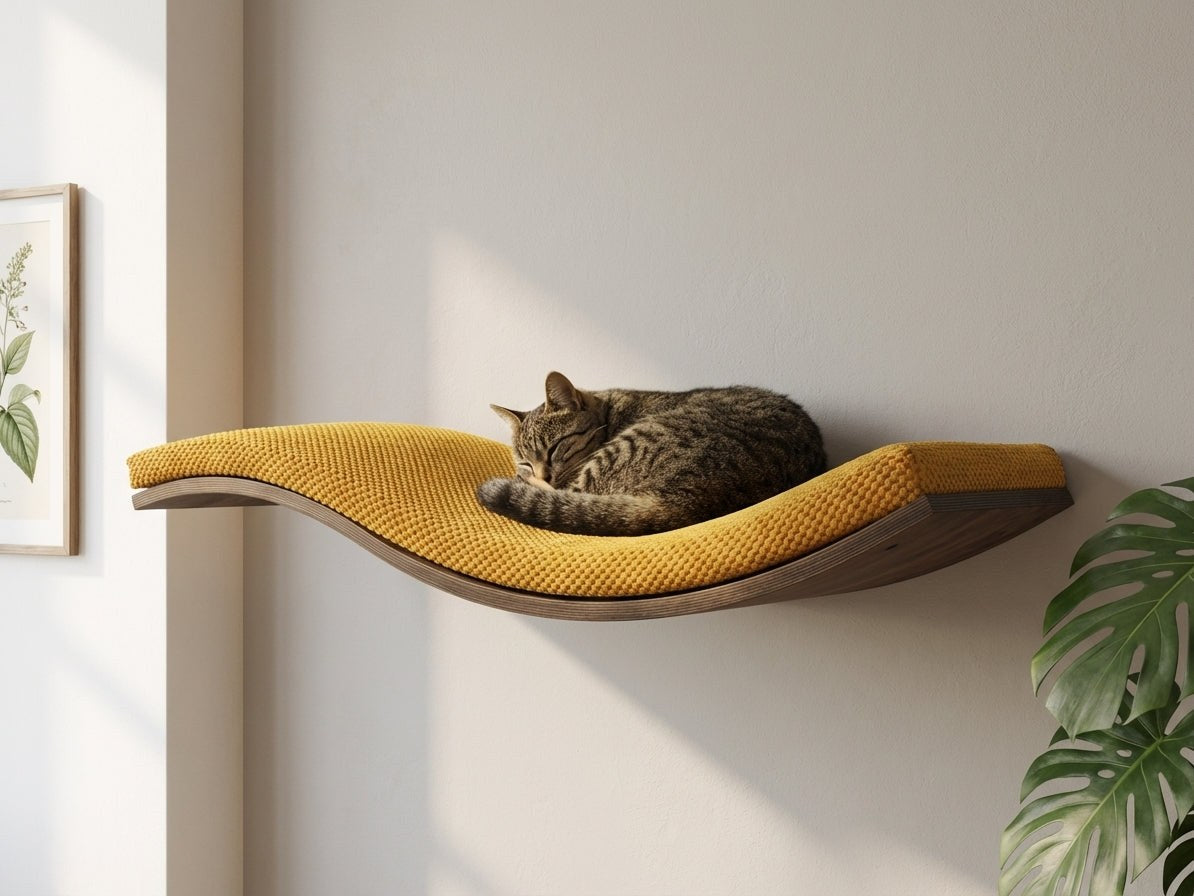
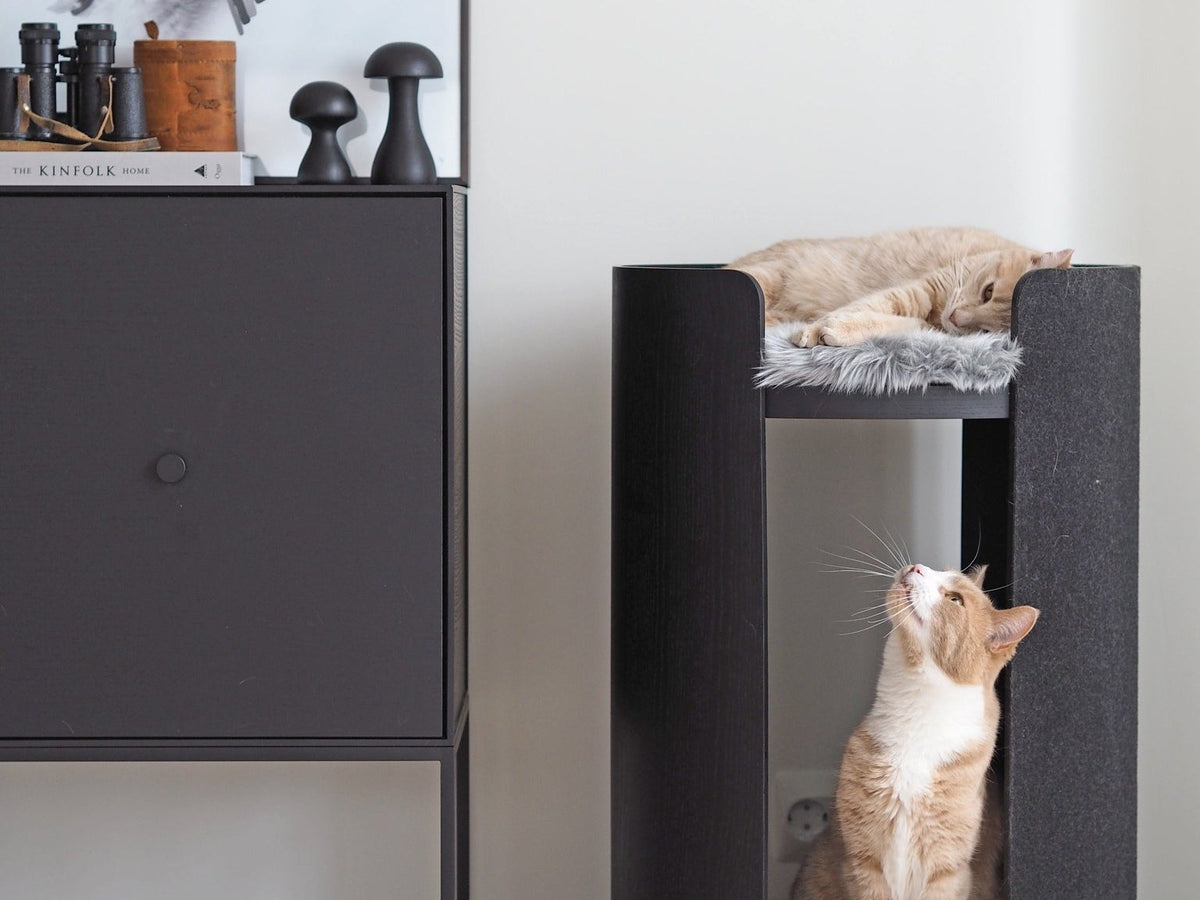
Size matters less than functionality. Even a corner measuring 1.2 by 1.5 metres can house a feeding station, bed, and storage. Vertical designs make particularly good use of space, especially welcome where floor space is limited, though any home benefits from this thoughtful approach.
Define the zone's edges using furniture placement, area rugs, or subtle floor material changes. A jute rug underneath creates visual boundaries whilst protecting your floors. Avoid harsh barriers like baby gates in main living areas, which fragment spaces unnecessarily. Instead, use furniture positioning to create natural boundaries that feel intentional and integrated.
Space Planning for Different Room Types
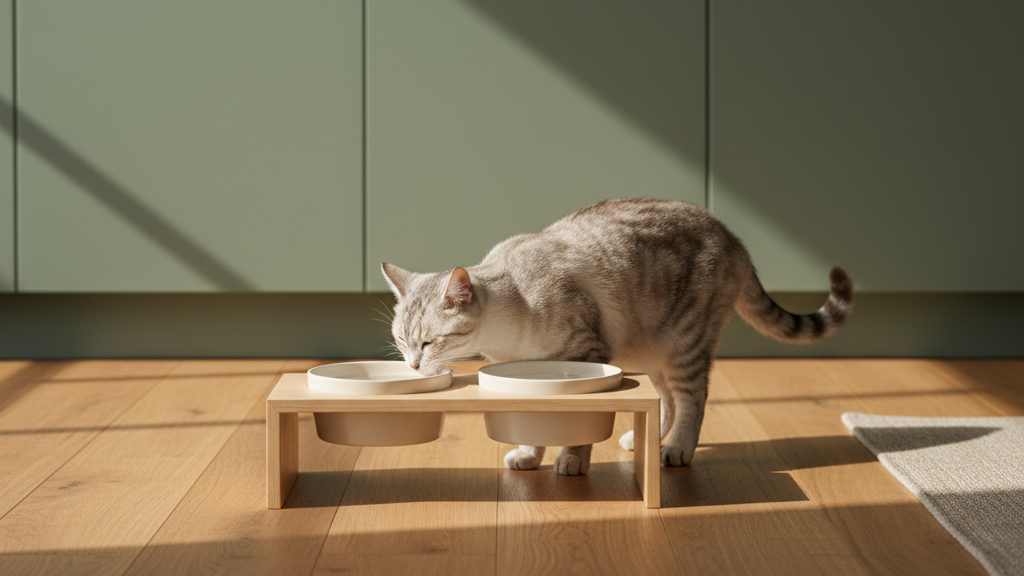
Kitchen zones require careful consideration of workflow and hygiene. Position feeding stations away from food preparation areas but within easy reach for daily routines. An unused corner beside the kitchen island can house elevated feeders without interfering with cooking activities. Ensure adequate clearance for opening nearby cupboard doors and consider splash protection for walls.
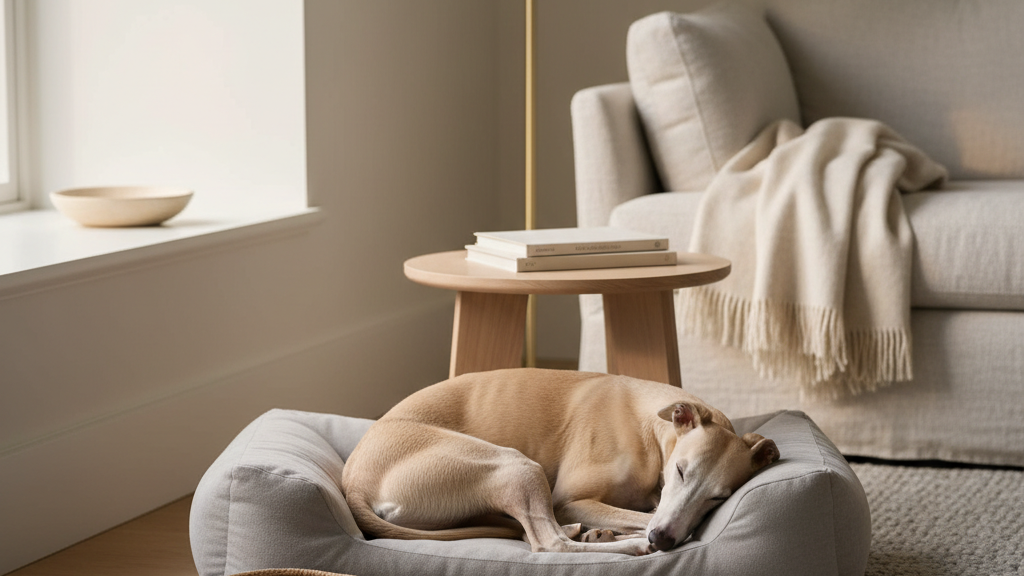
Living room pet zones need to balance accessibility with aesthetics. A corner near your sofa keeps pets close to family activities whilst maintaining clear pathways through the room. Built-in alcoves work particularly well, creating a defined space that feels purposeful. If your room lacks architectural features, create definition using a low bookshelf or console table as a gentle boundary.
Hallway installations work brilliantly for narrow spaces. A feeding station against one wall with storage above utilises otherwise dead space effectively. Ensure you maintain adequate passage width for comfortable movement, especially in high-traffic areas where family members frequently pass.
Bedroom pet zones suit pets who prefer quieter resting areas. Position beds away from your sleeping area to avoid disturbing each other during the night. A corner by the window provides natural light during the day whilst remaining sufficiently removed from your bed.
Coordinating Materials and Style
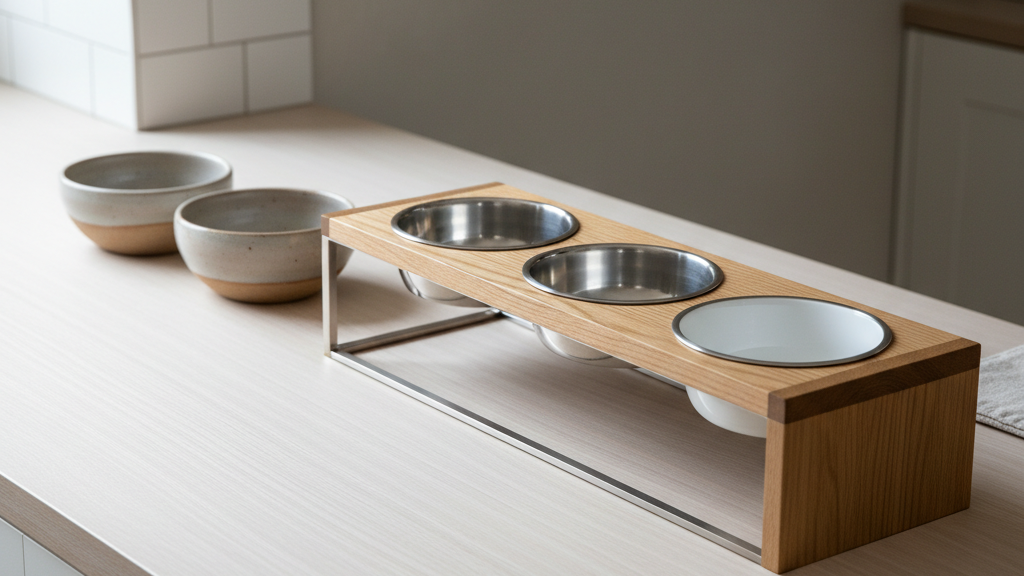
Material harmony prevents pet accessories from looking like an afterthought. Stick to a maximum of three materials within your pet zone. Natural timber, brushed steel, and ceramic work wonderfully together, creating a palette that suits both contemporary and traditional interiors. Each material should serve a practical purpose beyond aesthetics, whether that's easy cleaning, comfort, or durability.
Your existing colour palette guides accessory selection. If your room features warm greys and natural textures, choose pet furniture in complementary tones. Neutral glazes integrate smoothly with most colour schemes whilst providing the durability active pets require. Ceramic bowls in muted tones coordinate beautifully with natural materials and age gracefully through daily use.
Texture layering maintains visual interest without compromising practicality. Mix smooth ceramics with natural wood grains and soft textile elements. This variety prevents the zone from appearing sterile whilst keeping maintenance straightforward. Pay attention to how different textures catch and reflect light throughout the day, as this affects the zone's integration with your room's overall atmosphere.
Metal finishes should echo those found elsewhere in your room. If your light fittings feature brushed brass, incorporate similar warm metals in your pet accessories. Chrome and stainless steel suit cooler colour palettes, whilst black metals work with both warm and cool schemes.
Storage Solutions That Enhance Your Design
Visible storage becomes part of your room's design narrative with the right approach. Woven baskets in natural fibres hold toys and grooming supplies whilst adding textural interest. Choose containers that echo your pet furniture materials for visual continuity. This coordination makes storage feel intentional rather than improvised.
Multi-functional pieces serve both pet and human needs effectively. A slim console table near your pet zone can house supplies in attractive containers whilst providing surface space for decorative objects. Look for pieces with both open and closed storage to accommodate different types of pet supplies.
Group similar items together in clearly defined storage areas. Feeding supplies stay near the feeding station, toys gather in a designated basket, and grooming tools occupy a specific drawer or container. This organisation streamlines daily routines whilst keeping your pet zone looking purposeful.
Open shelving works particularly well for frequently used items. Display attractive food containers, lead hooks, and grooming tools as functional décor. However, this approach requires careful curation to avoid visual clutter. Choose containers in coordinated materials and limit the number of items displayed at any time.
Lighting and Atmosphere Considerations
Thoughtful lighting elevates your pet zone from purely functional to genuinely welcoming. Natural light benefits both pets and interiors, so position sleeping areas near windows where possible. However, avoid placing feeding stations in direct sunlight, which can affect food temperature and create uncomfortable glare during meal times.
Layer your lighting just as you would in any other room. Ambient lighting provides overall illumination, whilst task lighting helps during feeding times or grooming sessions. A simple table lamp on a nearby surface creates warm, localised light that makes the area feel cosy rather than clinical.
Pet preferences matter too. Many dogs enjoy naturally lit areas during the day but prefer dimmer spaces for actual rest. Cats often seek varied lighting throughout the day, making areas with adjustable lighting particularly appealing. Observe your pet's behaviour to understand their lighting preferences and adjust accordingly.
Avoid harsh overhead spotlights directly above pet areas, which create uncomfortable glare and stark shadows. Instead, use multiple light sources at different levels to create depth and warmth.
Investment and Practical Considerations
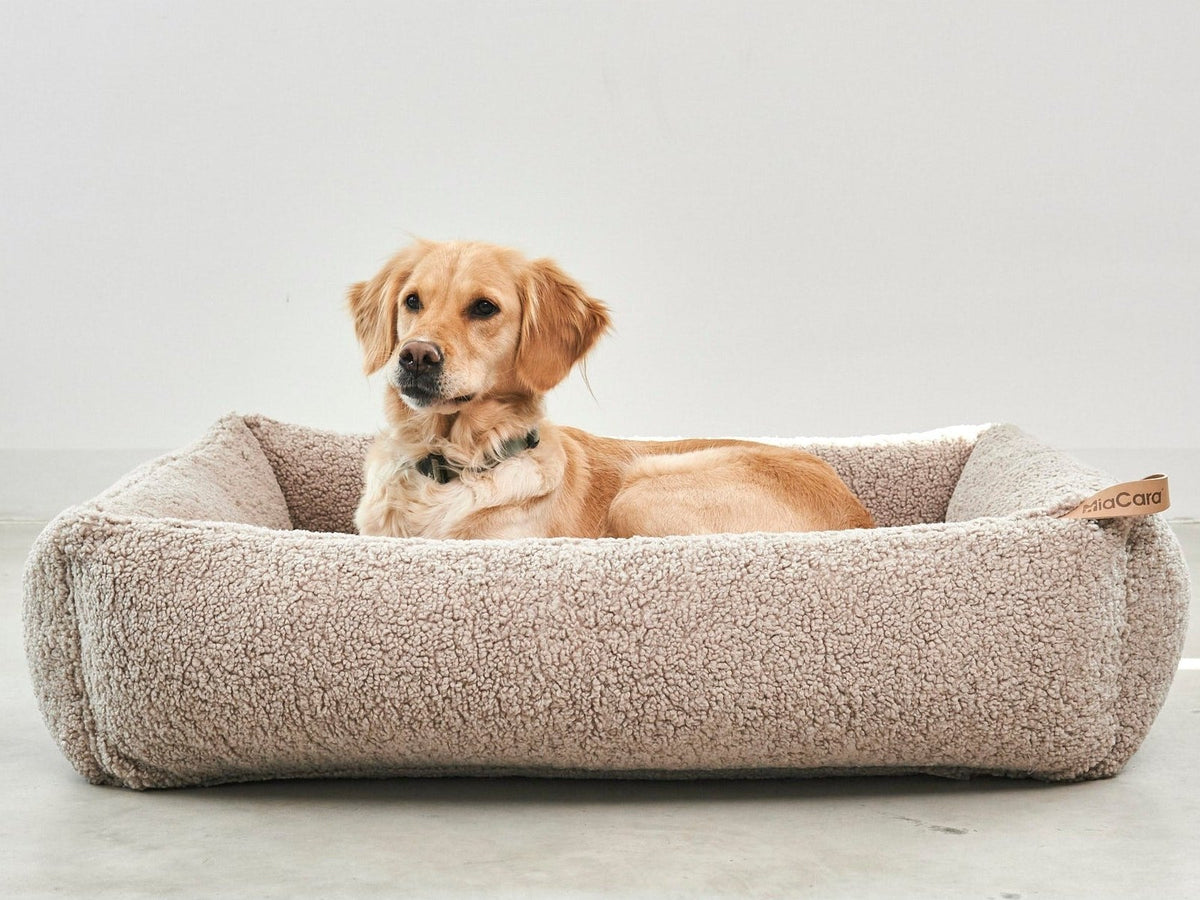
Quality pet furniture represents a long-term investment that pays dividends in both durability and aesthetics. Well-made pieces age gracefully and maintain their appearance through years of daily use. The Barca Dog Bed exemplifies this principle with its solid construction and timeless design that adapts to various interior styles whilst providing lasting comfort.
Start with the most important elements and build your zone gradually. A quality feeding station and comfortable bed form the foundation, with storage and decorative elements added as budget allows. This phased approach lets you assess what works in your space before committing to additional pieces.
Look for pieces that serve multiple purposes to maximise value. Storage ottomans that double as extra seating, or feeding stations with built-in supply storage provide functionality beyond their primary purpose. These dual-function pieces particularly benefit homes where space comes at a premium.
Maintaining Flexibility for Changing Needs
Your pet zone should evolve with your household's changing requirements. Puppies require different arrangements than senior dogs, and your storage needs shift as you discover which supplies you actually use regularly. Design with adaptation in mind from the beginning to protect your investment and ensure continued functionality.
Choose modular elements that reconfigure easily. Feeding stations on legs can move locations if needed, whilst separate storage pieces can redistribute throughout your home if circumstances change. This flexibility allows your pet zone to grow and adapt without requiring complete replacement of expensive items.
Plan for seasonal variations in your pet's needs. Summer might require more ventilation around sleeping areas, whilst winter calls for cosier arrangements away from draughts. Removable elements like cushions and throws allow easy adjustments without requiring furniture replacement.
Age-related changes affect both pets and their needs. Today's floor-level feeding station might need elevating for an ageing dog's comfort, whilst a young cat's climbing furniture might become less relevant for a senior feline. Building flexibility into your initial design prevents future overhauls and extends the useful life of your investment.
Creating a dedicated pet zone demonstrates that style and function can coexist harmoniously. With thoughtful planning, quality materials, and attention to your home's existing design language, your pet zone becomes an asset that enhances your interior rather than detracting from it. The result serves your pet's needs whilst contributing to your home's overall appeal, proving that good design truly accommodates every family member.
Designing a dedicated dog zone? Start with our designer dog beds.
Related guides
- Designer dog furniture styling: fitting dog furniture into a living room scheme.
- Dog bed shapes guide: which shape suits a curler, leaner, sprawler or nester.
- Dog bed size guide: how to measure your dog and size from that rather than from weight.
- Luxury dog living: our guide to designing a home around a dog.