
Article: Cat Feeding Station Design: Elevating Mealtime with Style
Cat Feeding Station Design: Elevating Mealtime with Style
Your cat's feeding area speaks volumes about your home's aesthetic sensibility. Far from being merely functional, a thoughtfully designed cat feeding station can seamlessly integrate into your living space whilst prioritising your feline's health and comfort. The modern pet owner increasingly seeks solutions that marry form with function, creating designated dining areas that reflect both sophisticated design principles and genuine understanding of feline behaviour.
Strategic Placement and Space Planning
The foundation of any successful cat feeding station lies in its positioning within your home. Cats naturally prefer quiet, low-traffic areas where they can eat without disturbance, yet the location must also complement your interior design scheme. Consider creating a dedicated zone in your kitchen's corner, a discreet alcove, or even a purpose-built nook in your utility area.
Avoid placing feeding stations directly on main walkways or near your cat's litter area. The ideal spot offers easy access for daily cleaning whilst maintaining enough distance from household activity to allow peaceful dining. Position the station at least 90cm from high-traffic areas and ensure adequate clearance space of 60cm on all sides for comfortable access.
Natural lighting enhances both the feeding experience and your ability to monitor your cat's eating habits. Position the station where gentle daylight can illuminate mealtimes, but avoid direct sunlight that might make food spoil more quickly or create uncomfortable glare. North-facing windows provide consistently soft light without harsh shadows.
Elevation and Ergonomic Design Principles
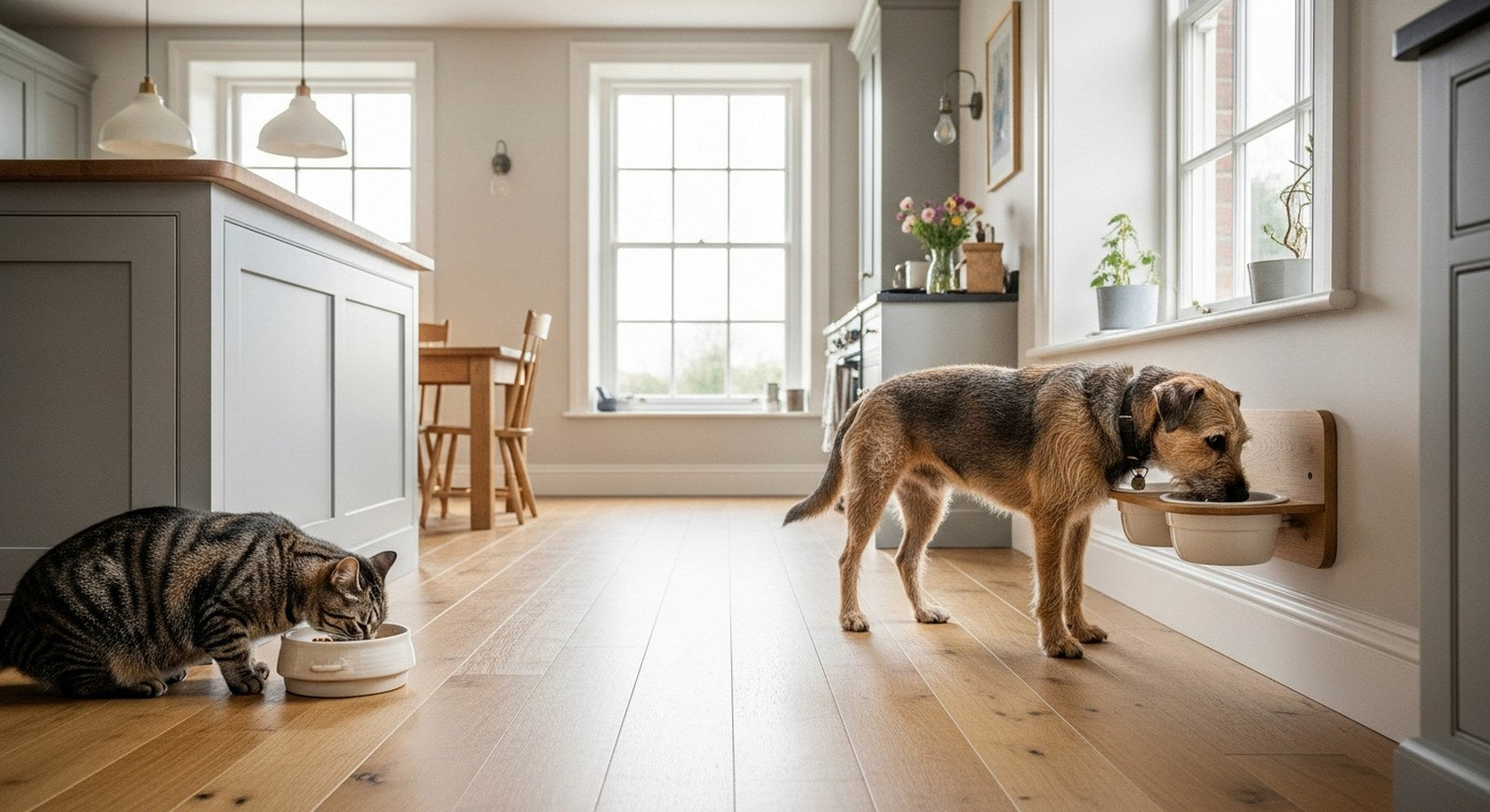
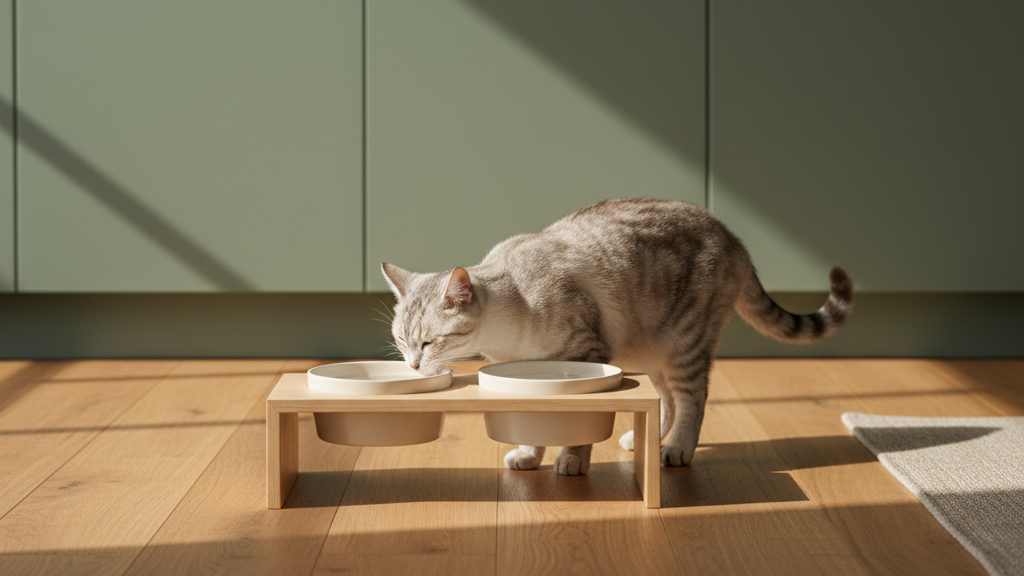
Elevated feeding positions offer numerous advantages for feline health and comfort. Raising food and water bowls reduces neck strain, particularly beneficial for older cats or those with arthritis. The optimal height ranges from 7.5cm to 15cm above floor level, depending on your cat's size and age. Persian and Maine Coon breeds typically require higher elevation due to their larger stature, whilst smaller breeds like Devon Rex prefer lower positioning.
The Arco Dog Feeder from MiaCara exemplifies perfect elevated feeding design. Despite its name, this sophisticated porcelain feeder suits cats beautifully, providing excellent elevation that accommodates most adult cats comfortably. The architectural form creates sculptural interest whilst delivering practical benefits.
Gradual transition proves essential for cats unaccustomed to elevated feeding. Begin by raising bowls just 2.5cm for the first week, increasing height incrementally until reaching optimal position. Monitor eating behaviour during this period, as some cats may initially eat more slowly whilst adapting to the new angle.
Premium Materials and British Craftsmanship
Premium ceramics offer exceptional durability, easy cleaning, and naturally antibacterial properties that promote hygiene. The weight of ceramic bowls prevents sliding during meals, whilst their non-porous surface resists odour absorption. British craftsmanship brings artisanal quality that mass-produced alternatives cannot match.
The Ceramic Dog Bowl from Wirksworth Pottery showcases traditional craftsmanship. Each piece reflects subtle colour variations and tactile appeal, with thoughtful proportions providing ample space whilst maintaining elegant form. The substantial base prevents tipping whilst creating visual weight that anchors the feeding station design.
Wood elements introduce warmth and organic appeal, particularly effective in Scandinavian or rustic interiors. However, sealed finishes prove essential to prevent moisture absorption and bacterial growth. Stainless steel delivers modern precision whilst offering unparalleled hygiene benefits, though some cats dislike metallic surfaces affecting food taste.
Colour Coordination and Interior Harmony
Successful feeding station design requires careful colour coordination with existing décor. Neutral palettes provide timeless appeal whilst allowing flexibility as trends evolve. Soft greys, warm whites, and natural stone tones complement most interior schemes without overwhelming smaller spaces.
Bold accent colours can create striking focal points in minimalist interiors. Deep blues and forest greens offer sophistication whilst remaining pet-friendly. Avoid high-contrast patterns that may visually fragment smaller rooms or compete with existing artwork and furnishings.
Texture plays an equally important role in creating visual interest. Matte ceramic finishes provide understated elegance, whilst subtle glazing techniques add depth without overwhelming the space. Consider how different textures will interact with your existing surfaces, from smooth granite worktops to natural wood flooring.
Multi-Cat Household Solutions
Multi-cat households require thoughtful planning to prevent territorial disputes during feeding times. Separate feeding stations positioned at least one metre apart allow each cat to dine comfortably without competition. Staggered heights can further reduce tension, with dominant cats often preferring elevated positions.
Consider incorporating storage solutions into your feeding station design. Custom cabinetry can house food containers, treats, and cleaning supplies whilst maintaining clean lines. Pull-out drawers measuring 40cm deep provide adequate storage whilst keeping essentials accessible but concealed.
Visual separation proves as important as physical distance. Room dividers, plants, or furniture placement can create psychological boundaries that help nervous cats feel secure during mealtimes. This approach works particularly well in open-plan homes where physical separation isn't always possible.
Flexible Design Elements
Modern feeding stations benefit from adaptable components that evolve with your needs. Modular elements enable reconfiguration as cats age or household composition changes. Removable accessories provide refresh opportunities without complete replacement.
Seasonal considerations enhance both functionality and aesthetic appeal. Feeding mats in seasonal colours or patterns offer easy updates, whilst adjustable height platforms accommodate changing needs. Summer months might favour cooler ceramic surfaces, whilst winter could benefit from slightly warmer positioning away from draughts.
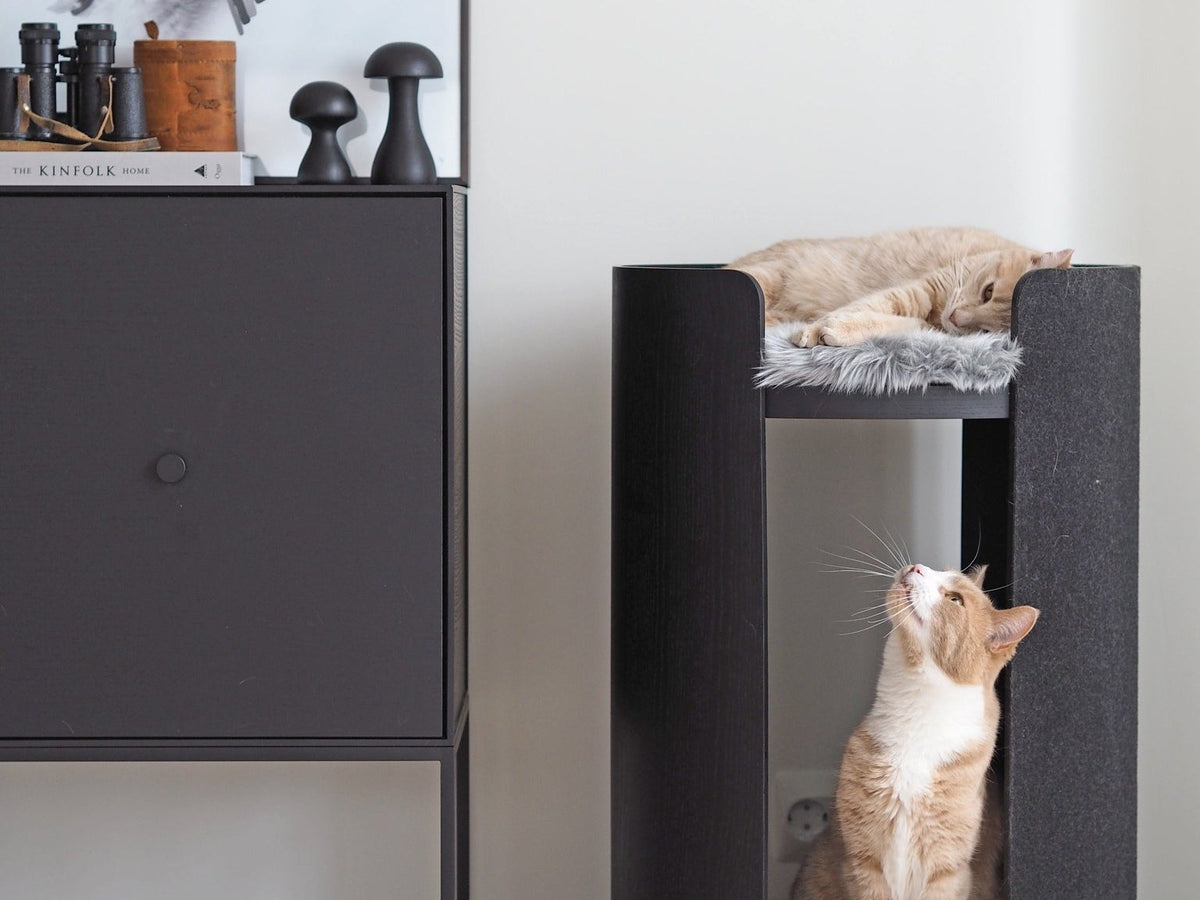
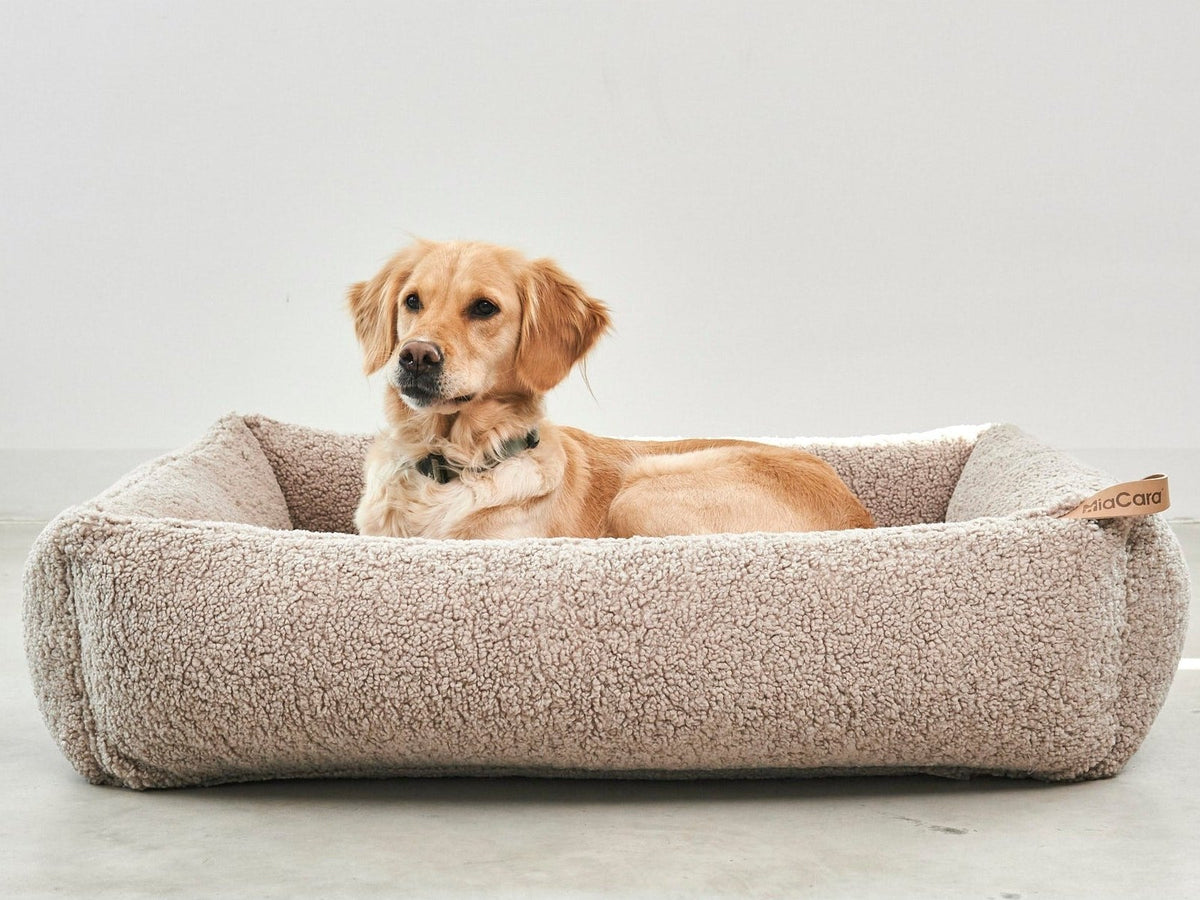
The Perla Cat Cave demonstrates MiaCara's understanding of adaptable feline spaces. Though primarily a resting area, its sophisticated design principles mirror those essential for feeding stations, showing how cohesive pet accessories can work together throughout your home.
Maintenance and Longevity
Daily cleaning routines become integral to maintaining your feeding station's appearance and hygiene. Rinse bowls with warm water after each meal, using mild detergent weekly for thorough sanitisation. Ceramic pieces tolerate dishwasher cleaning, though hand washing preserves artisanal finishes longer.
Deep cleaning monthly prevents odour build-up and bacterial growth. Remove all components, clean feeding surfaces with pet-safe disinfectant, and inspect for wear or damage. Replace items showing chips, cracks, or persistent staining to maintain health standards and aesthetic appeal.
Quality ceramics, properly maintained, serve households for decades whilst retaining beauty and functionality. Investment in premium pieces ultimately proves more economical than frequent replacements of inferior alternatives. Plan for evolving needs as cats age or household composition changes, ensuring your feeding station remains relevant and functional.
Water stations require particular attention to prevent algae growth and mineral deposits. Change water daily and clean containers thoroughly twice weekly. Filtered water not only benefits your cat's health but also reduces mineral staining that can compromise your feeding station's appearance.
Your cat's feeding station represents an opportunity to demonstrate that pet ownership enhances rather than compromises sophisticated living. Through careful material selection, thoughtful placement, and attention to both feline needs and human aesthetics, you create a dining environment that contributes positively to your home's overall design narrative whilst prioritising your cat's health and happiness.