Article: Cat Personality Types: Matching Furniture to Your Feline
Cat Personality Types: Matching Furniture to Your Feline
Just as people have distinct personalities that influence their home décor preferences, cats possess individual temperaments that affect their furniture needs. A confident explorer requires different spaces than a timid observer, yet many cat owners purchase furniture based solely on aesthetics or convenience. Understanding your feline's unique character helps guide you towards creating an environment where they'll genuinely thrive, leading to better wellbeing and a more harmonious home for everyone.
Confident Climbers: Cats Who Rule from Above
Bold felines view your home as their personal kingdom, surveying everything from the highest available perches. These confident personalities seek elevation not just for observation, but to establish their territorial status. They're the cats who appear on top of wardrobes, kitchen cupboards, or bookshelves with seemingly magical abilities.
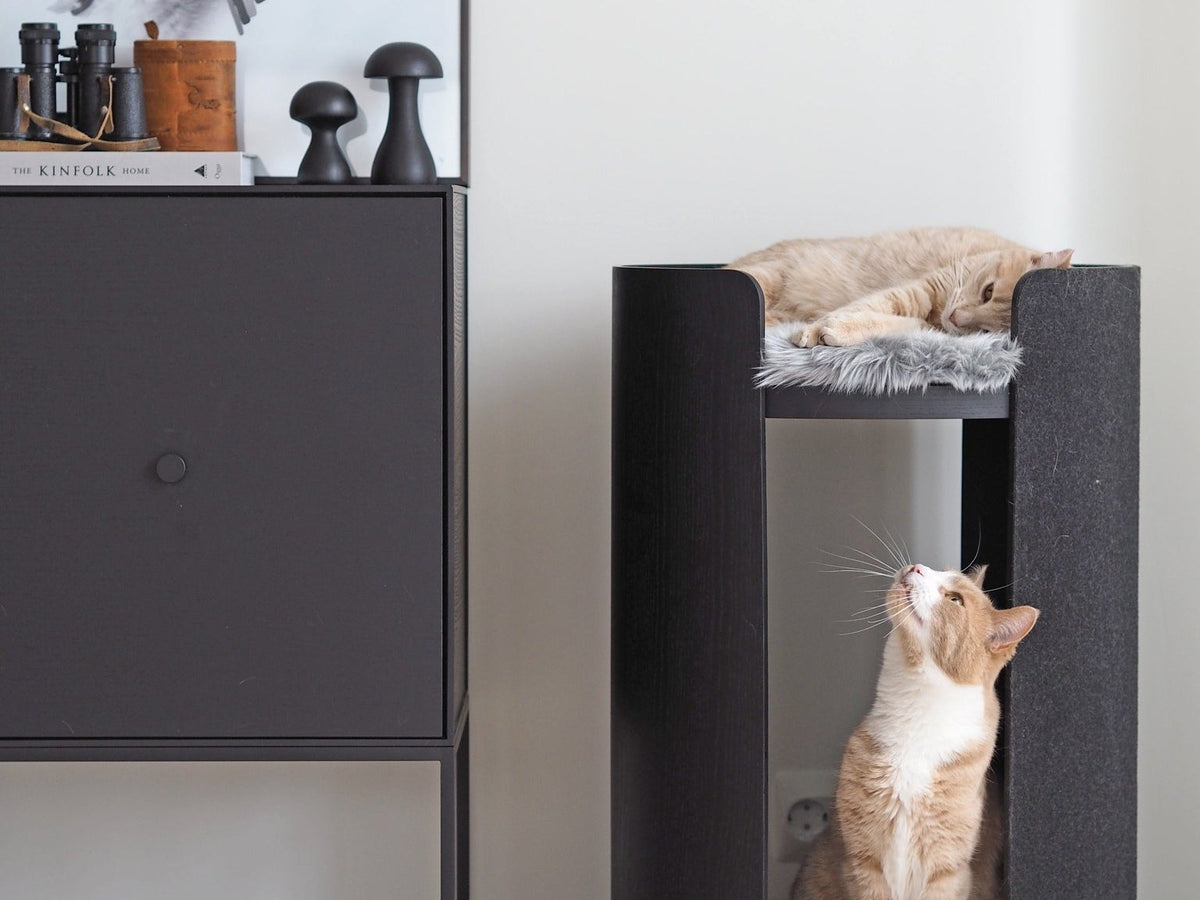
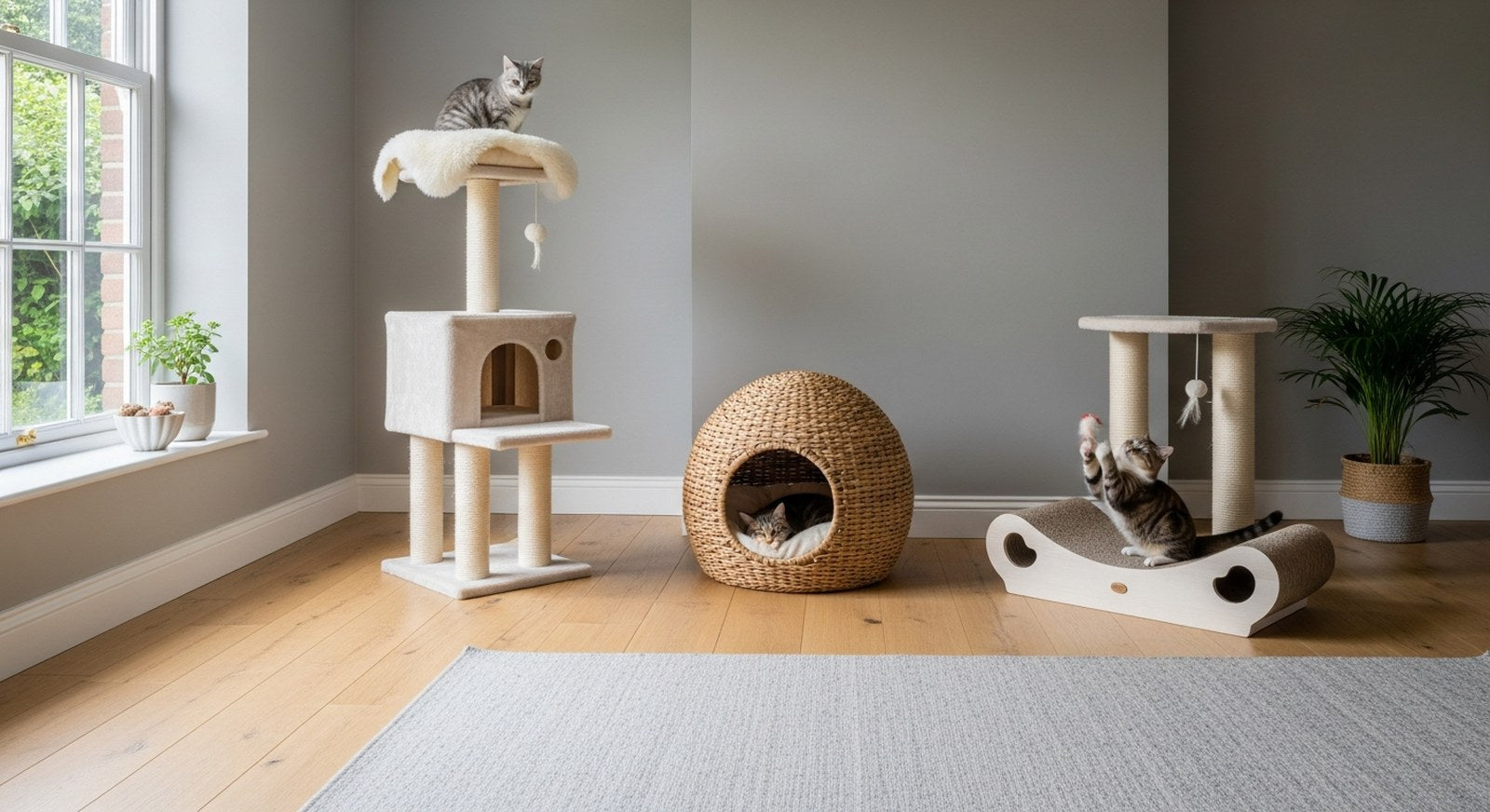
Confident climbers benefit enormously from structured vertical territory. The Torre Cat Tower from MiaCara provides exactly this type of purposeful height. Its multi-level design accommodates cats who prefer to survey their territory whilst the solid construction ensures stability for even enthusiastic jumpers.
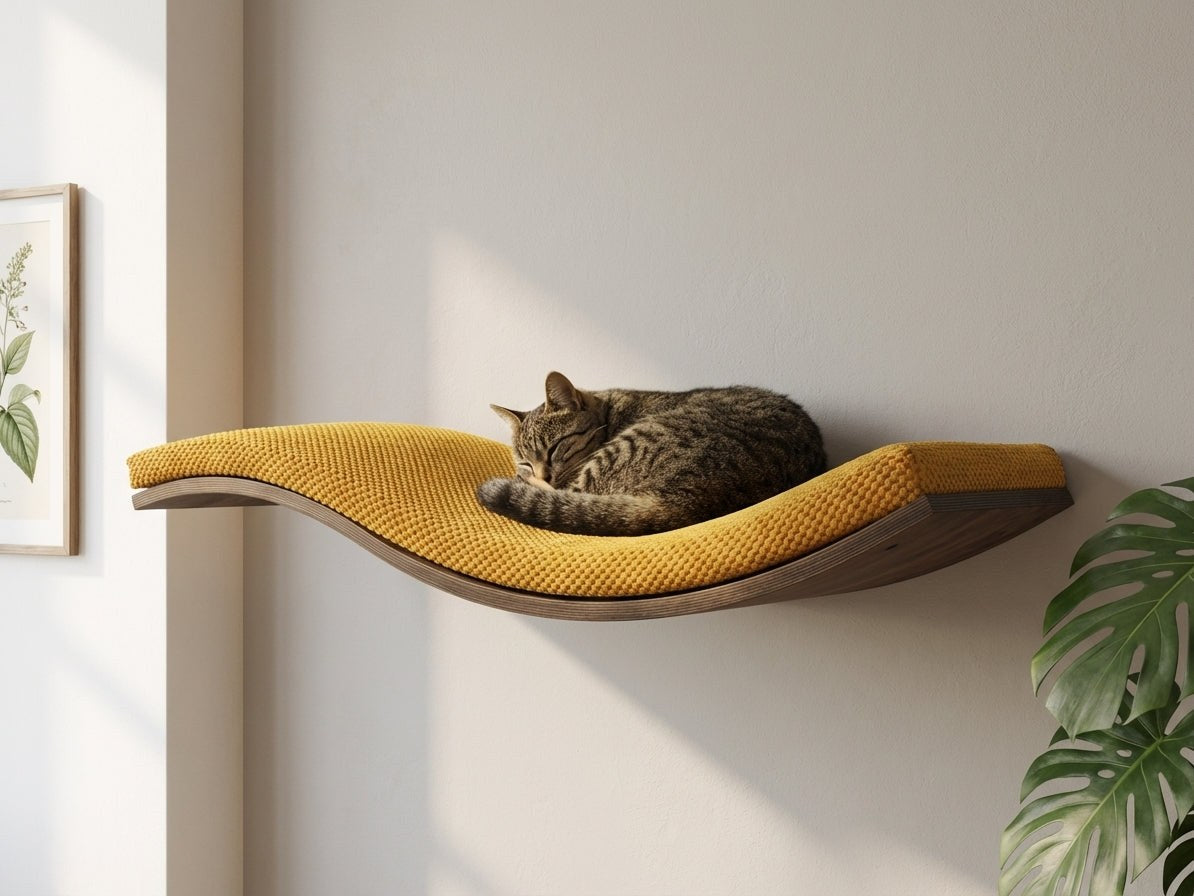
These cats also appreciate having escape routes planned. They'll use furniture that offers both height and quick descent options. Multiple perching spots at varying levels allow them to move up or down based on household activity, maintaining their sense of control over their environment. The MiaCara Parete wall system builds exactly this kind of layout, combining a short step, long step and scratching panel across the wall at heights planned for your room.
Watch for cats who greet visitors from elevated positions, investigate new items from above first, or spend significant time on windowsills. They're telling you they need legitimate high spaces rather than commandeering your furniture.
Quiet Observers: The Wallflower Personalities
Reserved cats prefer watching life unfold from secure, enclosed positions. Unlike confident climbers who want to be seen, quiet observers need safe spaces where they can see without being noticed. These personalities often feel overwhelmed by open spaces or busy household areas.
Cave-style furniture speaks directly to these cats' needs. The Loggia Cat Cave Bed creates a den-like environment where anxious or shy cats can retreat whilst still observing their surroundings. The wool felt construction provides acoustic dampening, reducing stress from household noise.
Shy cats also benefit from furniture positioned in quieter areas of the home. Corner placements work particularly well, giving them wall protection on two sides. Box-style beds offer partial enclosure whilst remaining accessible for cleaning and maintenance.
Consider your cat's hiding preferences. Do they squeeze under beds, lurk in wardrobes, or spend time behind sofas? These behaviours indicate they'd appreciate purpose-built hiding furniture rather than makeshift hideaways.
Active Athletes: High-Energy Personality Needs
Athletic cats treat furniture as playground equipment. They're the acrobats who leap between surfaces, chase toys with incredible intensity, and seem to have boundless energy reserves. These personalities need furniture that can withstand vigorous use whilst providing physical challenges.
Multi-level structures serve active cats well, but durability becomes paramount. The Torre Cat Tower's solid construction makes it ideal for vigorous climbers who need reliable platforms for their acrobatic adventures. Look for materials that can handle repeated jumping, scratching, and general athletic enthusiasm.
Active cats also need variety in their furniture landscape. Single-purpose pieces won't hold their interest long. They prefer items that can serve multiple functions: scratching, climbing, perching, and hiding. This prevents boredom-related destructive behaviours whilst channeling their energy positively.
Storage space for rotating toys becomes important with athletic personalities. They benefit from regular novelty, so having furniture with built-in storage or nearby solutions for toy rotation helps maintain their engagement.
Lap Cats: Comfort-Seeking Personalities
Certain cats prioritise comfort above all else. These are the personalities who seek out the plushest cushions, warmest spots, and most luxurious textures. They're less interested in height or hiding than in finding the most comfortable place for extended napping sessions.
Comfort-focused cats appreciate furniture with superior padding and soft fabrics. They'll often choose a plush bed over an expensive climbing tree if the bed offers better tactile comfort. Temperature regulation matters to these cats too - they seek warm spots in winter and cooler areas during summer.
These personalities also tend to prefer ground-level furniture that's easily accessible. While they might occasionally use vertical space, they're more likely to spend time in beds positioned near their favourite human areas. They want to be close to family activity without necessarily participating actively. A low, soft bed such as the Calma Hexagon Cat Bed, 15 cm high with a raised wool-blend edge that holds its shape, gives them somewhere to curl up close by.
Look for cats who consistently choose the softest available surfaces, seek out heating sources, or show particular interest in fabric textures. They're indicating that comfort should be your primary consideration in their furniture selection.
Reading Your Cat's Preferences
Understanding your feline's temperament requires observation over time. Notice where they choose to spend time currently, how they react to changes in the environment, and what behaviours they repeat consistently. According to International Cat Care, a cat's temperament is shaped by genetics and early experiences, and it determines how that cat perceives and responds to its surroundings, including where it chooses to spend its time.
Many cats exhibit combinations of these personality traits instead of fitting neatly into single categories. An athletic cat might also enjoy cosy hiding spots, or a confident climber could appreciate soft textures. The key lies in providing options that address their primary preferences whilst accommodating secondary needs.
Consider creating distinct zones within your home that cater to different aspects of your feline's personality. This approach allows them to choose appropriate furniture based on their current mood or requirements, rather than forcing them into single-purpose solutions.
Remember that temperament can evolve with age, health, or life changes. Senior cats might develop stronger preferences for comfort, whilst young cats often show more athletic tendencies. Flexible designer cat furniture arrangements accommodate these natural transitions.
Matching furniture to feline temperament isn't about spoiling them, it's about understanding their genuine needs. By observing their natural behaviours and preferences, you can create an environment where they feel secure, stimulated, and comfortable. The right furniture choices lead to happier cats and fewer behavioural issues, making life better for everyone in your household.
Frequently asked questions
How can I tell what personality type my cat has?
Observe where your cat spends most of their time, how they react to visitors, and their activity levels throughout the day. Confident cats seek high perches and greet newcomers, whilst shy cats hide in quiet corners. Athletic cats are constantly moving, and comfort-seekers choose the softest available spots.
Can cats have multiple personality tendencies?
Absolutely. Most cats show combinations of different behaviours instead of fitting into single categories. You might have an athletic cat who also enjoys cosy hiding spots, or a confident climber who appreciates comfortable textures. Choose furniture that addresses their primary preferences whilst accommodating secondary needs.
Do cat personalities change with age?
Yes, cat temperaments can evolve over time. Senior cats often develop stronger preferences for comfort and may become less active, whilst young cats typically show more athletic and exploratory behaviours. Health changes, moving house, or family additions can also influence behaviour patterns, so remain flexible with furniture arrangements.
Related reading
Explore more of the thinking behind our cat range in Why Cats Need Vertical Space and Cat Tower Placement.