
Article: Cat Tower Placement: Interior Design Tips for Feline Furniture
Cat Tower Placement: Interior Design Tips for Feline Furniture
The best place for a cat tower is beside a window with a clear view of the room and the outdoors, out of the main walking route, and ideally in a corner where your cat can watch the door. Cats choose elevated spots with good sightlines and natural warmth, so a position that offers both gets used, and one that faces a blank wall gets ignored. The rest is design: with the right piece and placement, the tower reads as furniture rather than pet equipment.
Where should you place a cat tower?
Cats gravitate towards elevated positions that offer commanding views and natural warmth. Position your cat climbing furniture near windows where your cat can survey their territory whilst basking in sunlight. This placement serves a dual purpose: it satisfies your cat's surveillance instincts and creates an attractive focal point that draws the eye towards natural light sources.
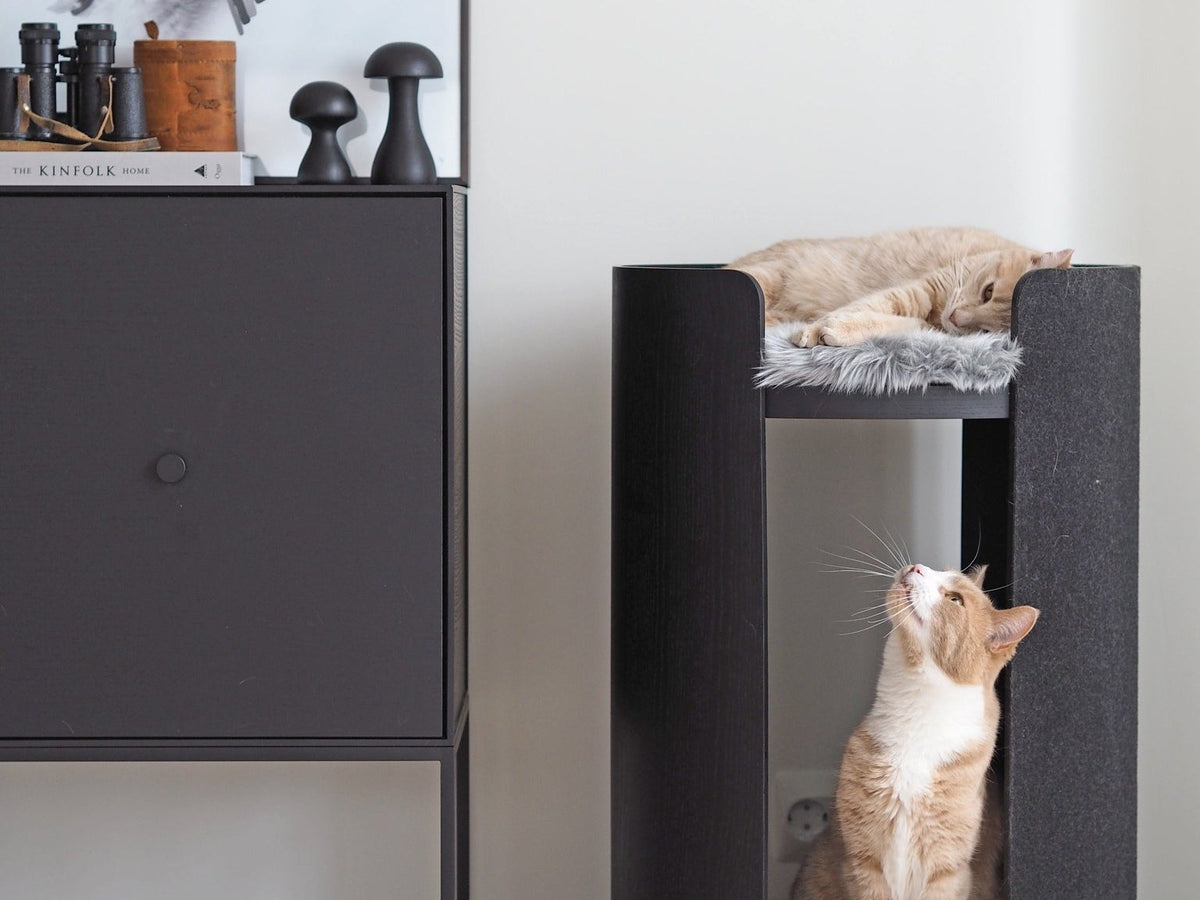
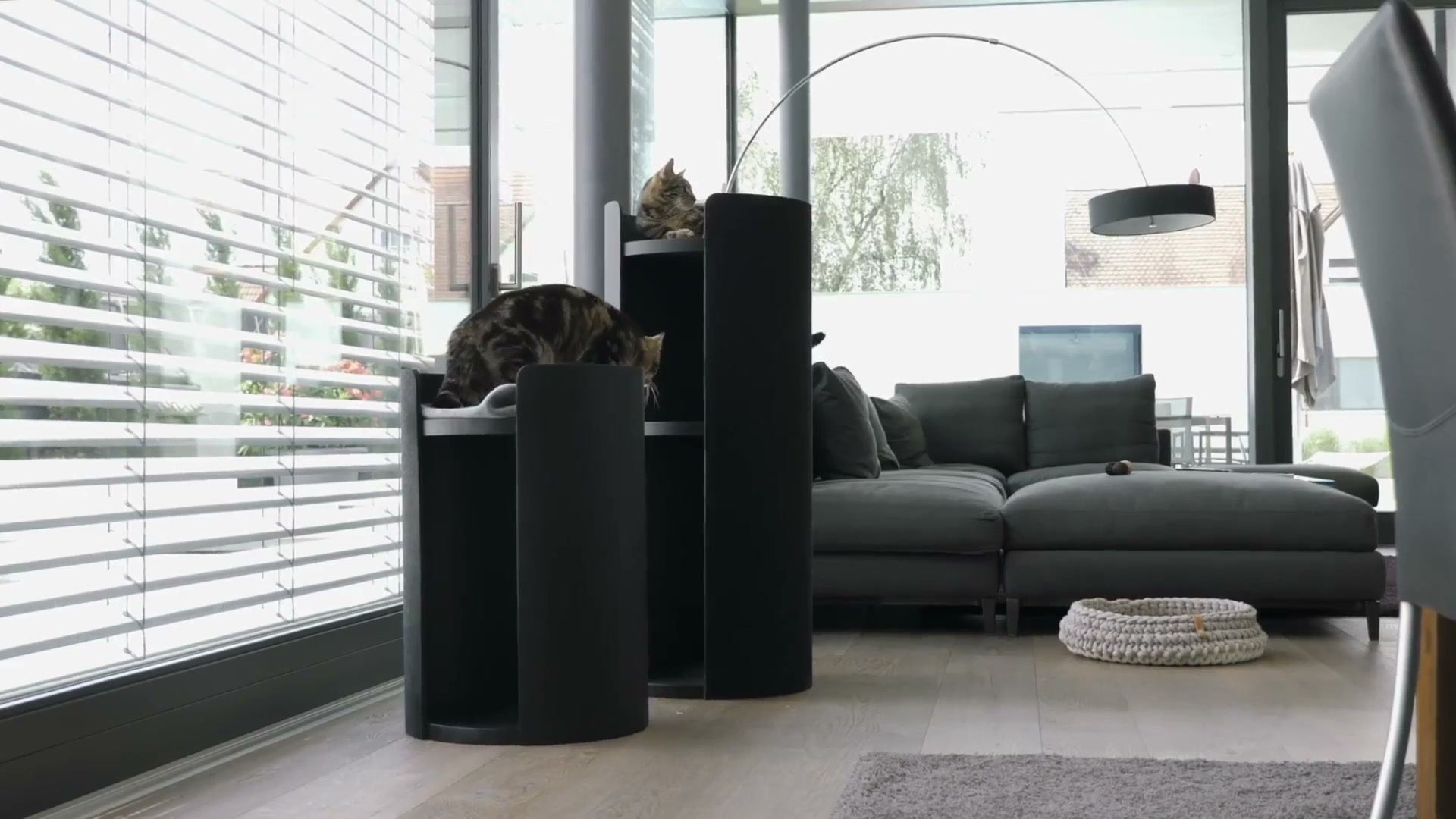
The Torre Cat Tower exemplifies this principle beautifully. Its clean architectural lines complement window frames and curtain panels, whilst the neutral tones integrate seamlessly with most colour schemes. Consider angling the tower slightly towards the window rather than placing it parallel to the wall. This creates visual interest and gives your cat multiple viewing angles. The Torre comes in two heights, 70 cm and 110 cm (both on a round footprint about 45 cm across), so you can match the tower to the sill height of the window it sits beside, and its weighted base keeps it stable on a hard floor without fixing to the wall.
Avoid placing tall cat furniture directly in front of windows where it might block light for the rest of the room. Instead, position pieces to the side of windows or in corners where natural light can still reach the climbing surfaces without creating shadows elsewhere. Remember that cats prefer spots where they can see approaching visitors or movement outdoors, so choose locations that offer clear sightlines to entrance points.
Creating Flow and Balance in Room Layout
Modern cat tower placement should complement your room's traffic patterns rather than obstruct them. Map out how people typically move through your space and identify areas where cat furniture can sit without disrupting natural flow. Corners often provide ideal placement opportunities, particularly those diagonal to main seating areas.
Consider the visual weight of your cat tower in relation to other furniture pieces. A substantial climbing structure can anchor a room's design just like a bookshelf or entertainment unit. Balance is crucial: if you have a large sofa on one side of the room, a well-proportioned cat tower on the opposite side can create pleasing symmetry.
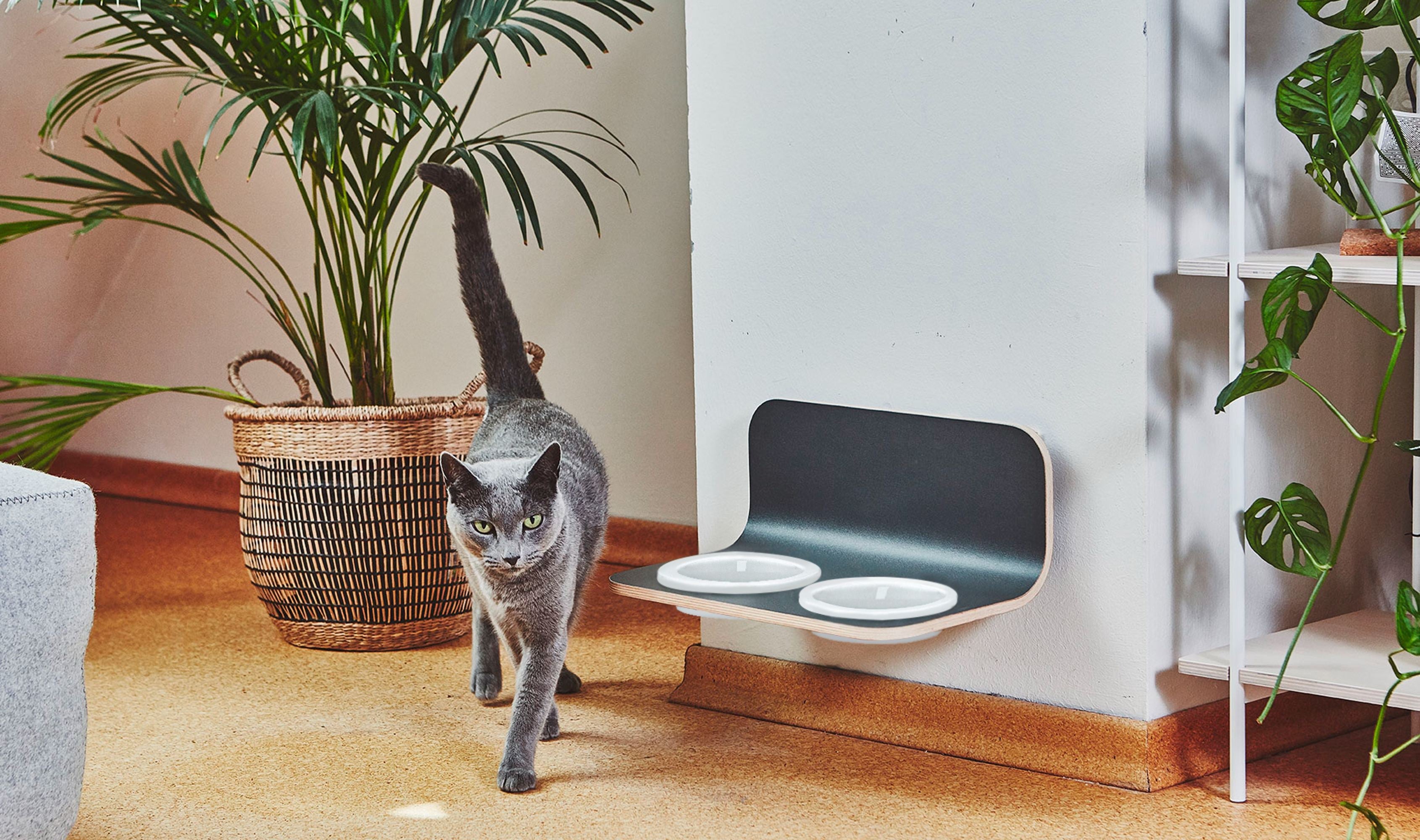
Think about creating cat highways that connect different elevated surfaces. Your cat tower doesn't need to exist in isolation. Position it where your cat can easily transition to bookcases, mantlepieces, or other approved climbing surfaces. The Alto Wall-Mounted Cat Climber and Gradino Cat Climbing Step are designed for exactly this purpose, extending the tower's footprint up the wall rather than out into the room. The Parete wall system works the same way, adding a step and scratching panel without extra floor footprint. This approach reduces the visual impact of individual pieces whilst creating an integrated climbing network that feels intentional rather than haphazard.
Scale matters enormously. In smaller rooms, choose locations where the cat tower won't overwhelm the space. Sometimes a corner placement that utilises vertical space works better than a central position that dominates the room's footprint.
Integrating Cat Furniture with Existing Décor
The secret to successful cat furniture interior design lies in treating these pieces as integral design elements rather than necessary evils. Choose cat towers that echo materials and colours already present in your room. Natural wood tones should complement your existing timber furniture, whilst neutral fabrics can bridge colour palettes. The Pebble and Sand wool-blend fabrics of the Calma Hexagon Cat Bed are one example.
Create vignettes around your cat furniture by incorporating complementary decorative elements. A stylish floor lamp nearby can provide evening ambiance, whilst a carefully chosen rug can define the space and add texture. The goal is to make the cat tower feel like a deliberate design choice rather than an afterthought.
For smaller spaces or minimalist aesthetics, consider multi-functional pieces. The Perla Cat Cave and Loggia Cat Cave Bed both show how cat furniture can double as sculptural décor. The Perla comes in two constructions: hand-braided UV-stable rope in the Anthracite finish, or hand-woven natural rattan in the Natural finish. The Loggia raises a wool felt cave on a slim frame so air circulates beneath it. Their shapes are strong enough for prominent placement in a contemporary living space, serving as both a conversation piece and a sheltered retreat for your cat.
Pay attention to colour coordination. If your room features a monochromatic scheme, choose cat furniture in similar tones. For spaces with accent colours, you might select pieces that either complement or thoughtfully contrast with your existing palette. Avoid choosing cat furniture that clashes dramatically unless you're deliberately creating an eclectic look.
Which room should a cat tower go in?
Different rooms present unique opportunities and challenges for cat tower placement. In living rooms, position towers where they can serve as conversation starters whilst providing your cat with social interaction opportunities. Avoid placing them directly behind seating areas where they might encourage your cat to leap onto guests' heads unexpectedly.
Bedrooms often benefit from smaller, quieter cat furniture placed away from the bed itself. Many cats appreciate having their own elevated space in the room where their humans sleep, but positioning towers too close to the bed can lead to midnight disturbances. Consider placing a modest climbing structure near a bedroom window where your cat can enjoy morning sunlight without disrupting your sleep.
Home offices require particularly thoughtful placement. Your cat will want to be near you during work hours, but a tower positioned too close to your desk might become a distraction. Place cat furniture within your cat's line of sight but far enough away that they won't feel compelled to walk across your keyboard. A corner position that allows your cat to observe both you and any outdoor activity often works brilliantly.
Open-plan spaces offer exciting possibilities for creating dramatic focal points. You can use substantial cat towers to help define different areas within a larger room, essentially creating zones without walls. A well-positioned tower can separate a dining area from a living space whilst adding vertical interest to an otherwise horizontal layout.
Advanced Design Techniques for Cat Tower Integration
Professional interior designers employ several sophisticated techniques that cat owners can adapt for feline furniture integration. The principle of triangular composition works particularly well: arrange your cat tower as one point of a visual triangle with other significant furniture pieces or architectural features. This creates a sense of intentional composition that feels professionally designed.
Layering adds depth and interest to your room's design. Position your cat tower so that it creates layers when viewed from your room's main entrance or primary seating area. This might mean placing it behind a lower piece of furniture or using it to create depth alongside curtains or bookcases.
Consider the golden ratio principle, which suggests positioning focal points roughly one-third of the way into a room rather than dead centre. This mathematical approach to placement often feels more pleasing to the human eye whilst providing cats with excellent vantage points.
Repetition of materials and shapes throughout your space creates cohesion. If your cat tower features circular elements, echo these shapes in cushions, artwork, or decorative objects elsewhere in the room. Similarly, if the tower incorporates natural wood, repeat this material in picture frames, plant stands, or accent furniture.
Maintenance and Longevity Considerations
Your carefully planned cat tower placement should account for long-term maintenance needs and potential furniture rearrangements. Choose locations that allow easy access for regular cleaning and inspection. Cats can be surprisingly rough on their furniture, so you'll need to periodically tighten screws, replace worn scratching surfaces, and deep clean fabric elements.
Consider seasonal adjustments to your placement strategy. A spot that receives lovely winter sunshine might become uncomfortably warm in summer months. Flexibility in your approach allows you to maximise your cat's comfort year-round whilst maintaining your room's aesthetic appeal.
Think about how your placement choices might affect future furniture purchases. If you've positioned your cat tower as a key design element, you'll want to ensure it continues working with any new pieces you introduce to the space. This forward-thinking approach prevents future design conflicts and protects your investment in quality cat furniture.
Finally, observe your cat's preferences over time. Even the most thoughtfully placed cat tower needs adjustment if your feline friend consistently ignores it. Sometimes a simple repositioning by a few feet can transform an unused piece into your cat's favourite spot, proving that successful placement requires both design theory and practical observation.
Conclusion
Thoughtful cat tower placement transforms functional pet furniture into integral design elements that enhance both your home's aesthetic and your cat's quality of life. By considering natural light, room flow, décor integration, and room-specific needs, you can create spaces that satisfy everyone's requirements. The key lies in choosing quality pieces that deserve prominent placement and positioning them with the same care you'd give to any cherished furniture. Your cat will appreciate the elevated perspectives, and your guests will admire your seamless integration of form and function.
See our luxury cat living guide for more on designing around your cat.
Cat tower placement: quick answers
Where is the best place to put a cat tower? Beside a window with a clear view of the room and the outdoors, out of the main walking route, and ideally in a corner where your cat can watch the door. Cats use spots that offer both a good sightline and natural warmth, and tend to ignore ones that face a blank wall.
Should a cat tower go in front of a window? Beside is better than directly in front, so light still reaches the room. Angling the tower slightly towards the window also gives your cat multiple viewing angles instead of one flat outlook.
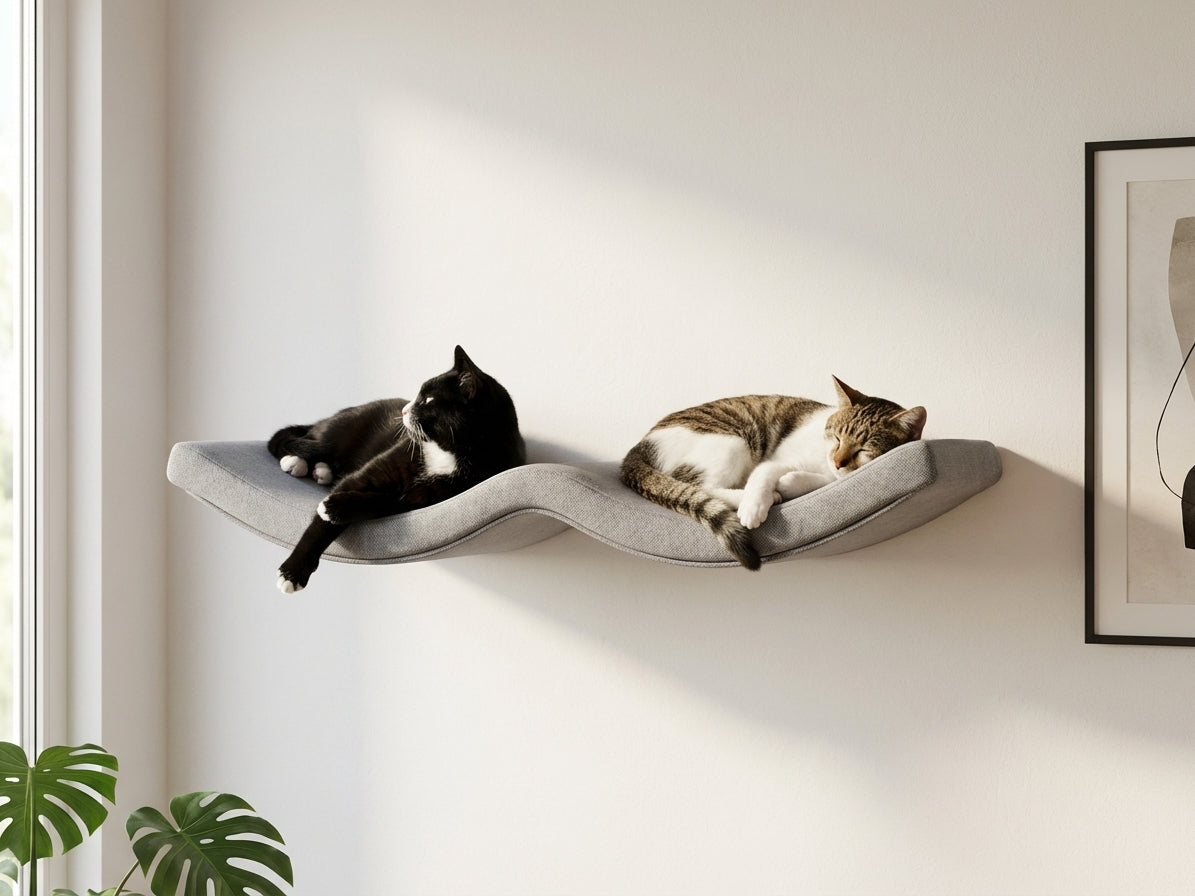
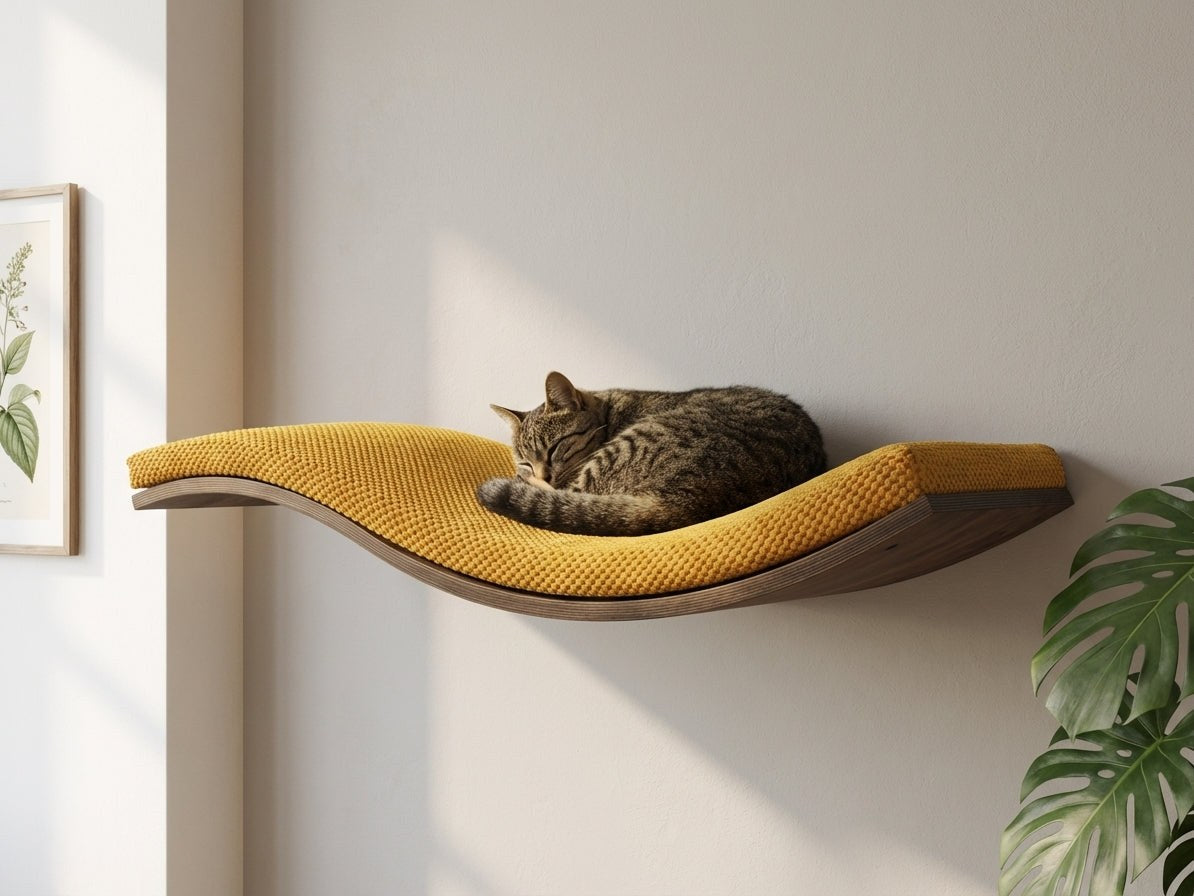
How do I stop a cat tower dominating a small room? Use a corner placement, and consider vertical wall-mounted pieces such as a cat wall shelf or step system instead of a large floor footprint; a wall-mounted piece reads as furniture rather than equipment in a smaller room.